🇻🇳 2 Weeks in Vietnam Itinerary: A Local’s Guide for First-Time Visitors
Introduction
Planning a 2 weeks in Vietnam itinerary can feel overwhelming at first. Vietnam is long, diverse, and packed with amazing food, lively cities, beautiful beaches, and mountain scenery. Because of that, many first-time visitors ask the same question: how do you see the highlights without trying to do too much?
This guide shares a practical Vietnam itinerary for 2 weeks based on an easy south-to-north route. Along the way, you can enjoy busy cities, beach time, local food, cultural stops, and cooler mountain views. More importantly, the pace is realistic, so you can enjoy the trip instead of rushing through it.
If this is your first visit, this route is one of the best ways to experience Vietnam in just 14 days.
This article may contain affiliate links. In other words, I may earn a small commission if you book hotels, flights, or activities through these links, at no extra cost to you. However, I only recommend services and platforms that I would genuinely suggest to travelers. These small commissions help support this blog and allow me to keep creating free travel guides and tips. Thank you for your support 💙
Plan Your Trip
To make planning easier, here are some helpful resources:
👉 ✈️ Find cheap flights
👉 🏨 Compare the best hotels
👉 🎟️ Book tours and activities
👉 📱 eSIM — Get your eSIM before your trip
Before you travel, it is also worth checking the official Vietnam e-visa portal and the official Vietnam tourism website for current travel information.
Vietnam Itinerary Overview for 2 Weeks
This route starts in the south and ends in the north:
- Ho Chi Minh City: 4 days
- Phu Quoc: 3 days
- Da Nang and Hoi An: 3 days
- Hanoi: 2 days
- Sapa: 2 days
For first-time visitors, this 2 weeks in Vietnam itinerary works especially well because it shows several sides of Vietnam. You get big-city energy, beach time, fantastic food, cultural landmarks, and mountain scenery. At the same time, the travel days stay fairly manageable.
If you want more inspiration before planning your route, you can also read my best places to visit in Vietnam guide.
Days 1–4 in This 2 Weeks in Vietnam Itinerary: Ho Chi Minh City
Ho Chi Minh City is one of the most exciting places to begin your trip. It feels busy, modern, and full of energy. Right away, it gives you a strong sense of daily life in Vietnam.
Across the city, you will find street food, coffee shops, markets, museums, rooftop bars, and lively neighborhoods. As a result, it is a great introduction to the country.
Where to Stay in Ho Chi Minh City
For most first-time visitors, District 1 is the easiest place to stay. It puts you close to major sights, restaurants, nightlife, and walking streets. Because of that, it works especially well if you want to do a lot without spending too much time on transport.
By contrast, District 2 (Thao Dien) suits travelers who prefer a quieter atmosphere. This area has more cafés, modern apartments, and a slower pace. It is also a good choice if you like a more residential feel.
Choose District 1 if you want:
- a central base
- easy sightseeing
- nightlife
- walkable attractions
Choose District 2 if you want:
- a calmer area
- modern stays
- a strong café scene
- a more residential vibe
If you prefer apartment-style accommodation, serviced stays in Thao Dien can work very well. On the other hand, hotels in central Ho Chi Minh City are usually more convenient for a short first visit.
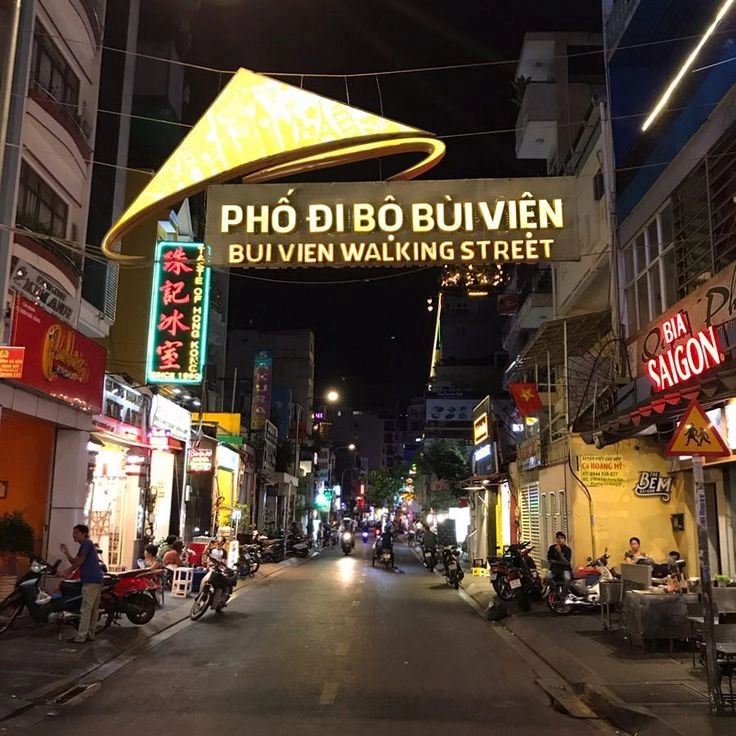
What to Do in Ho Chi Minh City
Start with a simple mix of food, history, and local city life.
On your first day, a street food tour is one of the best ways to understand Vietnamese flavors and daily culture. It also helps you try several dishes without overthinking where to go.
Must-try dishes include:
- phở
- bánh mì
- bún bò Huế
- fresh spring rolls
- local desserts
Later, spend the evening exploring food streets or a local night market. That way, you get a lively first impression of the city.
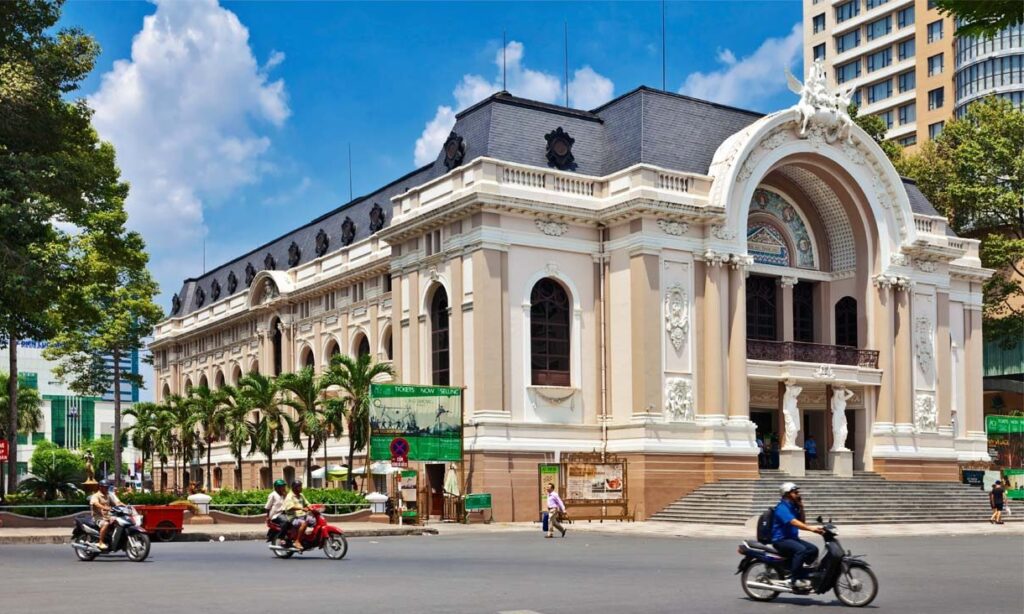
The next day, focus on history and architecture. Good stops include the War Remnants Museum, Reunification Palace, and the Saigon Opera House area. Together, these places give helpful context to the city and balance the food-heavy side of the trip.
After that, use another day for shopping and slower exploring. For example, you can visit Ben Thanh Market, browse local boutiques, or stop at rooftop bars and cafés. In particular, café hopping is one of the best local experiences in Ho Chi Minh City. Many older apartment buildings hide creative coffee shops, fashion boutiques, and small local brands.
If you have extra time, use your fourth day for flexible sightseeing before your next flight. You could walk along Nguyen Hue Walking Street, shop for local fashion, or simply enjoy one more slow coffee break.
What to Eat in Ho Chi Minh City
Ho Chi Minh City is one of the best places in Vietnam for first-time food experiences. Because the city is so large, you can try both famous classics and smaller local favorites.
A few dishes to prioritize are:
- phở
- bánh mì
- cơm tấm
- bún bò Huế
- egg coffee
- chè
Rather than following a huge checklist, keep it simple. Pick a few busy local spots, eat where locals eat, and leave room for spontaneous stops.
If you want more food ideas, read my best Vietnamese dishes every first-time visitor should try guide.
Cultural Stops in Ho Chi Minh City
War Remnants Museum
This is one of the city’s most important museums. It offers powerful exhibits and helps visitors understand a major part of Vietnam’s modern history.

Reunification Palace
This former presidential palace is a well-known historic site. It is especially worth visiting if you are interested in modern Vietnamese history.

Saigon Opera House
Located in District 1, this elegant building is a beautiful example of French colonial architecture. Even if you do not go inside, it is still worth seeing from the outside.
Days 5–7: Phu Quoc
After busy days in Ho Chi Minh City, Phu Quoc feels like a welcome change of pace. The island is known for beaches, seafood, warm water, and easy resort stays. Because of that, it is a good place to slow down and recharge.
Best Things to Do in Phu Quoc
For a first trip, keep it simple:
- relax on Long Beach
- visit Sao Beach
- go island hopping
- try snorkeling
- walk through Phu Quoc Night Market in the evening
Phu Quoc is a good place to rest, enjoy sunset views, and recover from city sightseeing.
What to Eat in Phu Quoc
Seafood is the obvious highlight here. Grilled fish, shellfish, and simple local meals are easy to find around beach areas and markets. In addition, the night market is a fun place to sample local snacks in a more casual setting.
Scuba Diving in Phu Quoc

If you are curious about scuba diving, Phu Quoc is a lovely place to try it. The island is known for warm water, gentle conditions, and beginner-friendly dive experiences. As a result, it works well for both first-timers and travelers who already enjoy being underwater.
For anyone looking for a trusted local operator, Phil Hai Scuba Diving is a strong option. Their team is known for being friendly, professional, and patient with beginners. Because of that, the experience tends to feel much more relaxed and approachable.
The dive sites around Phu Quoc are usually calm and easy to explore. On good days, you may see colorful coral, tropical fish, and clear underwater views. Beyond the beaches and resorts, diving also shows you a completely different side of the island.
Days 8–10: Da Nang and Hoi An
Central Vietnam brings a different atmosphere again. Here, you get beaches, riverside cafés, heritage streets, and scenic viewpoints. As a result, this part of the trip feels very different from both the south and the north.
Days 8–9: Da Nang

Spend two days in Da Nang and focus on a few highlights:
- My Khe Beach for sunrise or a relaxed beach afternoon
- Dragon Bridge if you want to see the city at night
- Marble Mountains for caves, temples, and views
- Son Tra Peninsula for scenic drives and coastal scenery
- Ba Na Hills and the Golden Bridge if you want one of the area’s most photographed attractions
Da Nang feels modern, comfortable, and easy to navigate. It is a good fit for travelers who like a beach city with solid food options. However, if you add Ba Na Hills, expect a busier and more touristy day.
For more details, read my Da Nang travel guide
Day 10: Hoi An
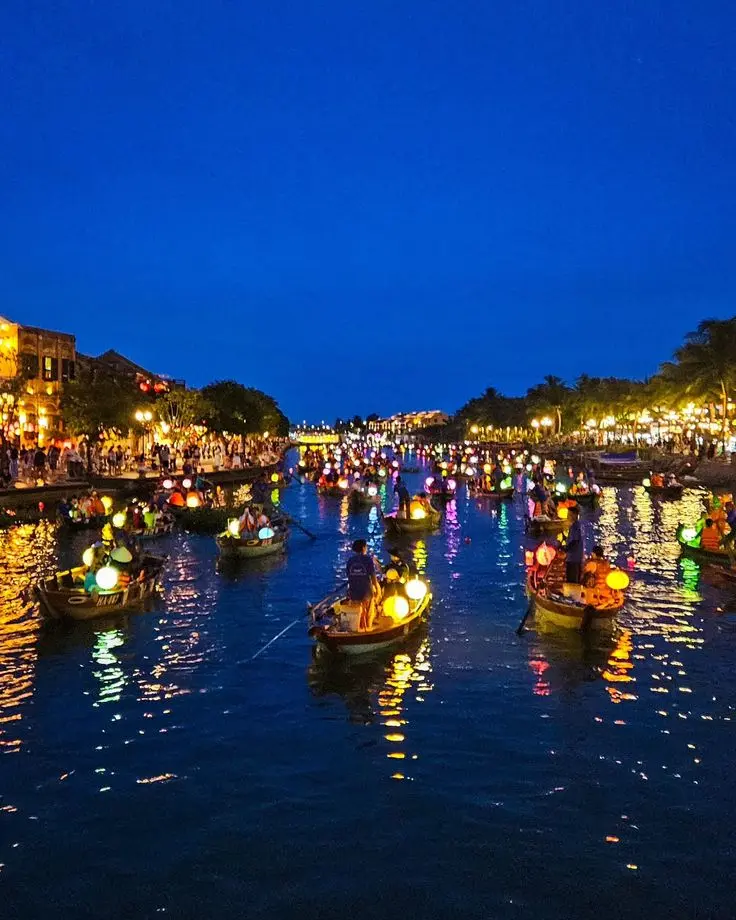
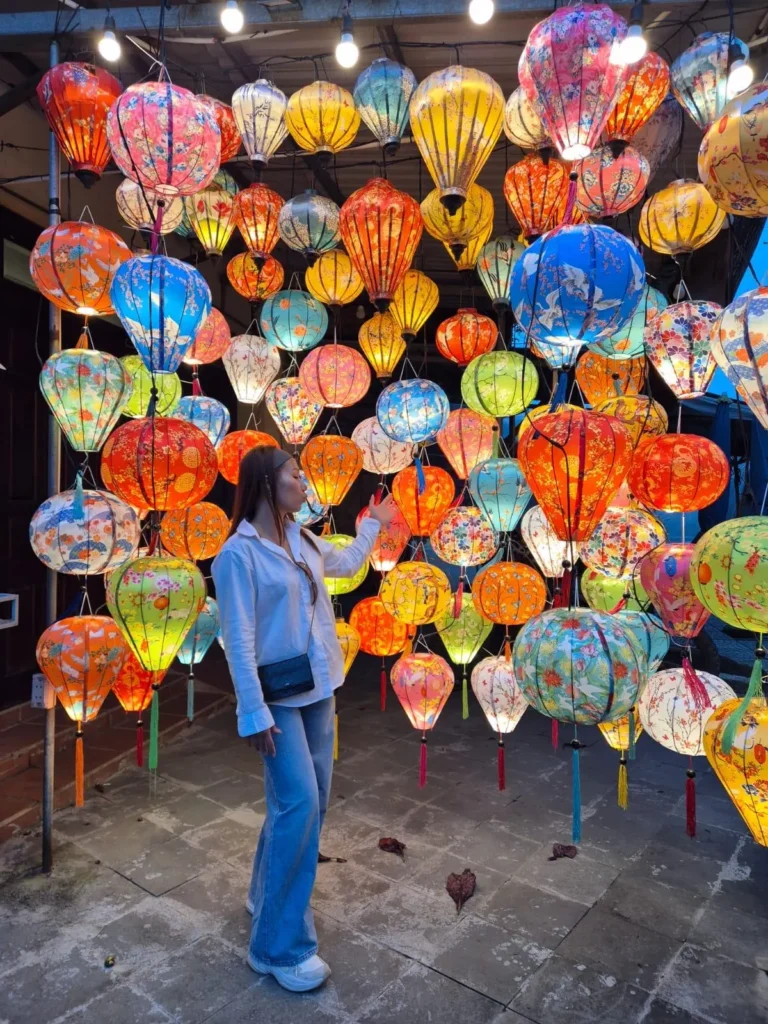
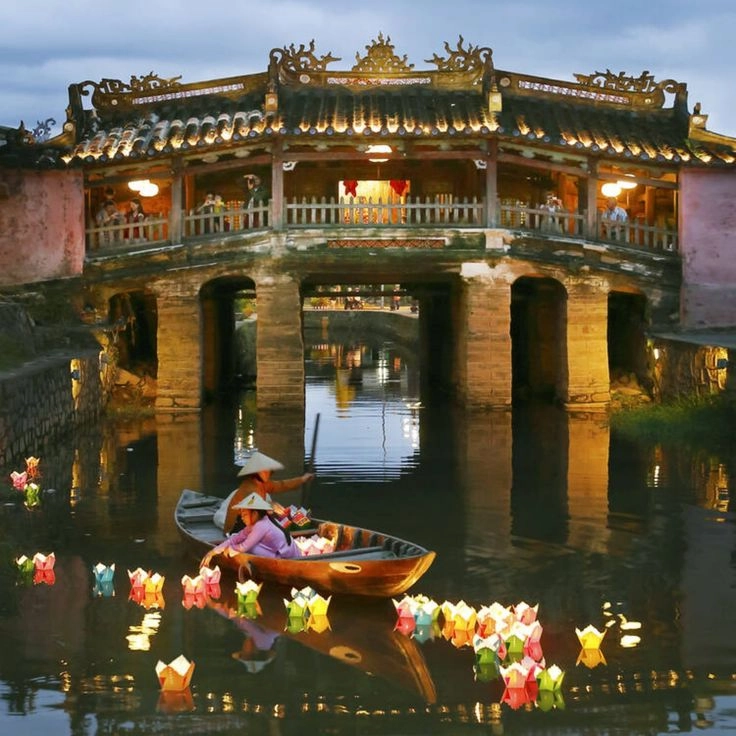
For many travelers, Hoi An becomes one of the most memorable stops on this itinerary. The lantern-lit streets, riverside views, and historic buildings create a softer, slower mood than Vietnam’s larger cities.
During one day in Hoi An, you can:
- walk through the Ancient Town
- stop at cafés by the river
- browse tailor shops
- take evening photos when the lanterns light up
- visit An Bang Beach if you want a quieter side trip
Hoi An is especially lovely in the evening. Once the lanterns come on, the old town feels calm, atmospheric, and very different from the rest of the route.
If you have extra time, you can also try a coconut basket boat ride or spend longer at the beach.
For a more detailed version, check my Hoi An Vietnam in 2 Days guide.
What to Eat in Central Vietnam
While you are in this region, try a few local specialties. Two of the best-known dishes are:
- cao lầu
- white rose dumplings
Even if you only stay a short time, these dishes help make Central Vietnam feel distinct from the south and the north.
Extra Things to Do in Hoi An If You Have More Time
If you can stay a little longer, a few experiences are absolutely worth adding.
Hoi An at Night
The Ancient Town changes completely after sunset. Hundreds of silk lanterns light up the streets, creating one of the most beautiful scenes in Vietnam. For the best experience, walk slowly along the river and stop for photos when the lights reflect on the water.
Coconut Basket Boat Ride
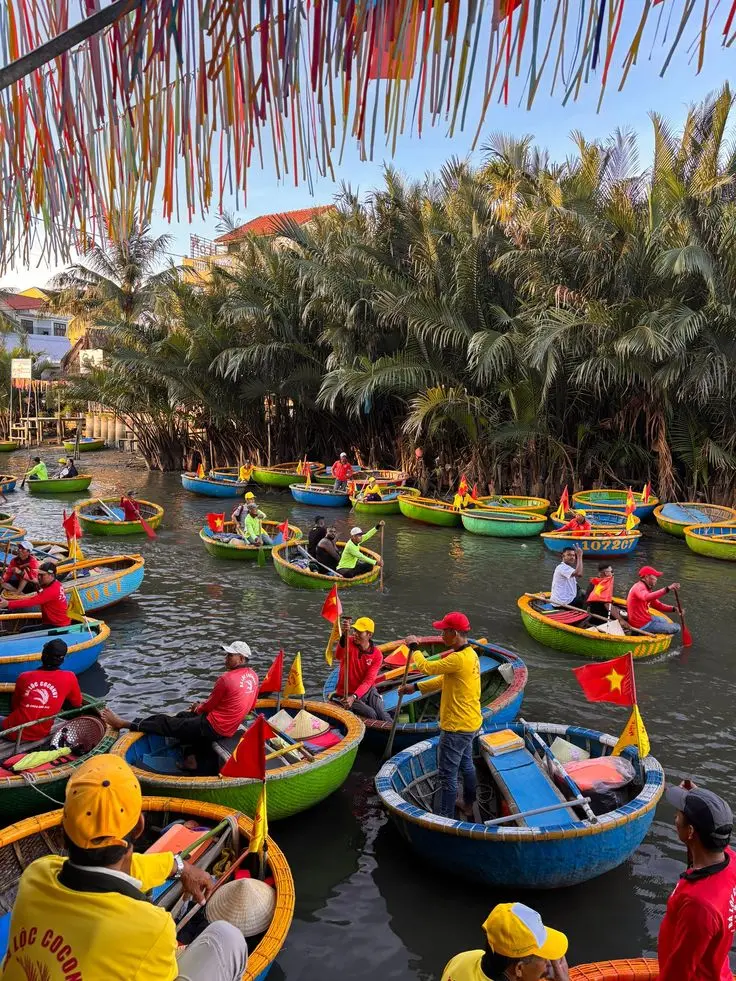
Just outside Hoi An, you can try the famous basket boats in the coconut palm forests. It is fun, a little chaotic, and very memorable. In many cases, tours also include short performances and spinning tricks.
Custom Tailoring Experience
Hoi An is famous for tailor shops. If you stay at least two days, you can get custom-made clothes in 24 to 48 hours. As a result, it can be a great opportunity to create something unique at a reasonable price.
Full Moon Lantern Festival
If your dates match, this is one of the best times to visit. The town turns off most electric lights and is illuminated by lanterns and candles instead. Because of that, the atmosphere feels calm, magical, and very different from a normal evening.
An Bang Beach
If you need a break from sightseeing, head to An Bang Beach. It is only a short ride away and perfect for relaxing with a drink or seafood lunch by the sea.
Central Vietnam Travel Tips
Lantern Festival Tip
Try to plan your visit around the full moon for the best experience. However, keep in mind that these dates change every year, so double-check before booking.
Booking Tip
Hotels near the Old Town sell out quickly, especially during festivals and peak season. For that reason, it is a good idea to book early if you want a central location.
👉 Browse your Hoi an hotels here
Flight Tip
Domestic flights in Vietnam are generally affordable, cheap and efficient . Therefore, flying between cities can save you a lot of time compared with trains or buses. You can easily buy via Air Asia
Days 11–12: Hanoi
The final major city on this Vietnam itinerary is Hanoi. Compared with Ho Chi Minh City, the atmosphere feels more traditional, more seasonal, and sometimes a little more reflective.
What to Do in Hanoi
Highlights include:
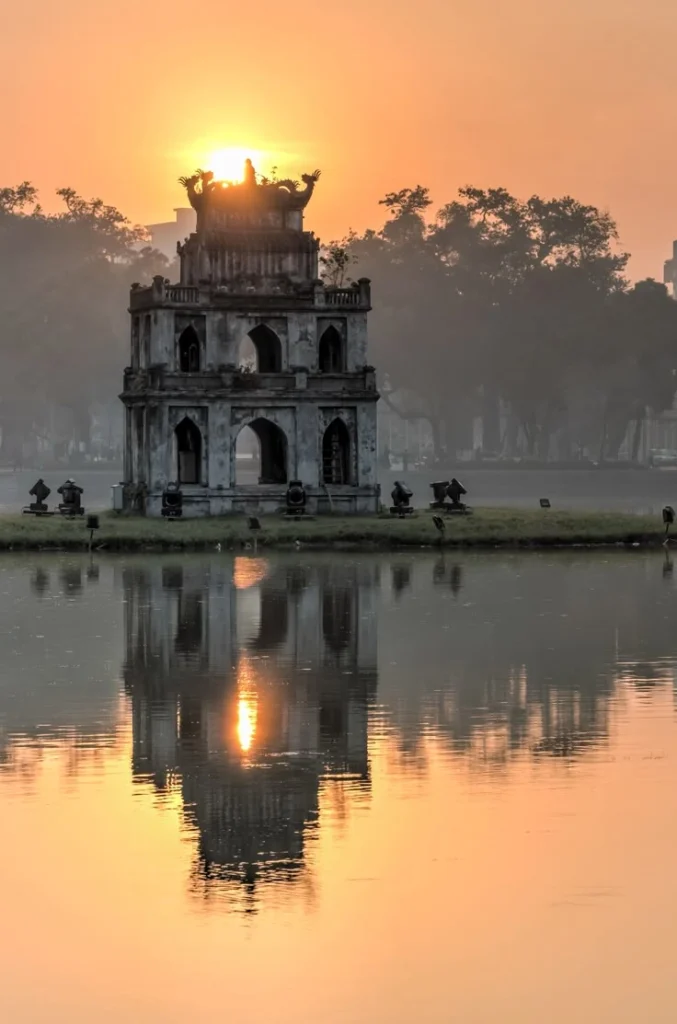
- Hoan Kiem Lake
- Hanoi Old Quarter
- local cafés and small food streets
- early-morning walks
- people-watching from a café
Instead of rushing from sight to sight, allow time to wander and enjoy the atmosphere. Hanoi is often best experienced slowly.
What to Eat in Hanoi
While you are here, try:
- Hanoi-style phở
- bún chả
- egg coffee
If you want specific places near the Old Quarter, start with popular local favorites and busy casual spots. In general, crowded restaurants are often a good sign.
👉 🎟️ Activities → Book your tours here
Days 13–14: Sapa and Mountain Views

For your final two days, head to Sapa for fresh air and mountain scenery. After the cities and beaches, this part of the trip offers a beautiful contrast.
Sapa feels peaceful, green, and culturally rich. It is especially memorable if you want cooler weather, greener landscapes, and a slower ending to your trip.
What to Do in Sapa
In Sapa, you can:
- trek through rice terraces
- visit ethnic minority villages
- enjoy Fansipan mountain views
- stay in a homestay for a more personal experience
For many travelers, this is one of the most scenic parts of Vietnam.
Why Sapa Works Well at the End
By the time you reach Sapa, you may be ready for a different pace. That is why this stop works so well at the end of the route. Instead of more traffic and city noise, you get mountain views, cooler air, and a calmer rhythm.
Practical Tips for the North
Because the north can feel quite different from the south, it helps to stay flexible. Weather changes more noticeably, and mountain areas can be cooler than many first-time visitors expect.
For that reason:
- bring a light layer for Sapa
- keep some cash on hand
- plan transport in advance
- allow extra time for travel connections
Final Tips From a Local
Even in just 14 days, Vietnam offers a surprising amount of variety. More importantly, this route still leaves room for good meals, slower mornings, and a few spontaneous moments along the way.
Before you go, keep these simple tips in mind:
- Vietnamese people are very friendly, so do not be shy to talk
- eat where locals eat because busy places are often a good sign
- download Grab for transport
- carry cash, especially in smaller towns
- plan your hotels, flights, and activities in advance for better value
If you are planning your first trip, this 2 weeks in Vietnam itinerary gives you a fantastic introduction to the country. You will experience the energy of Ho Chi Minh City, the beaches of Phu Quoc, the charm of Hoi An, the culture of Hanoi, and the mountain scenery of Sapa.
Overall, Vietnam is warm, varied, and full of character. Even in just 14 days, you can see a surprising amount while still leaving room for food, rest, and spontaneous local moments.
Plan Your Trip Quick Links
👉 ✈️ Flights → Compare prices and find the best deals
👉 🏨 Hotels → Browse top-rated stays in central areas
👉 🎟️ Activities → Book tours and skip-the-line tickets
👉 📱 eSIM → Stay connected instantly without roaming fees
👉 🛡️ Travel Insurance → Travel with peace of mind
FAQ About This 2 Weeks in Vietnam Itinerary
Related Articles You Might Be Interested In
Planning more of Vietnam? Read these next for itinerary ideas, food tips, and destination guides.
Best Vietnamese dishes every first-time visitor should try
Vietnam itinerary for first-time visitors
No responses yet