Camping Packing List for Scandinavia: What to Pack for Sweden, Norway and Finland
Camping in the north is much easier when you have the right gear, and this camping packing list for Scandinavia will help you pack for Sweden, Norway, and Finland with more confidence. As someone who follows outdoor travel in Scandinavia closely, I know how quickly the weather can change and how important it is to pack for cold nights, wet ground, insects, and local wild camping rules.
Scandinavia rewards smart packing more than heavy packing. You do not need to carry everything, but you do need the right layers, a reliable sleep system, and gear that works in changing weather. If you are planning a bigger northern trip, you may also want to read my Scandinavia travel guide before choosing your route.
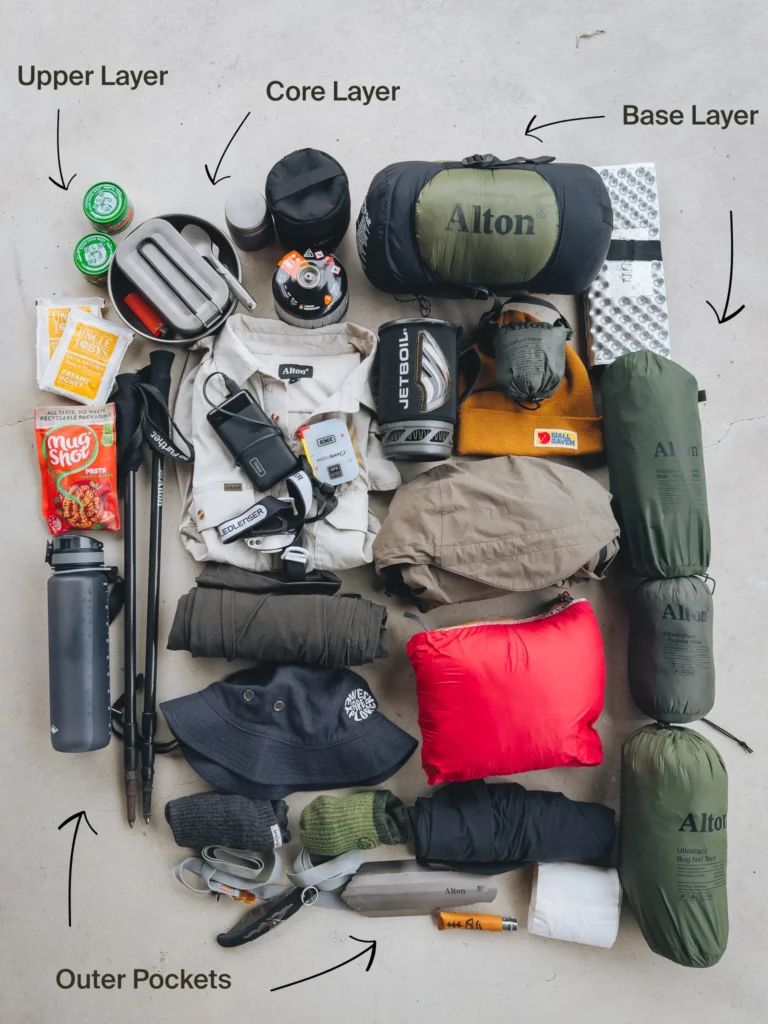
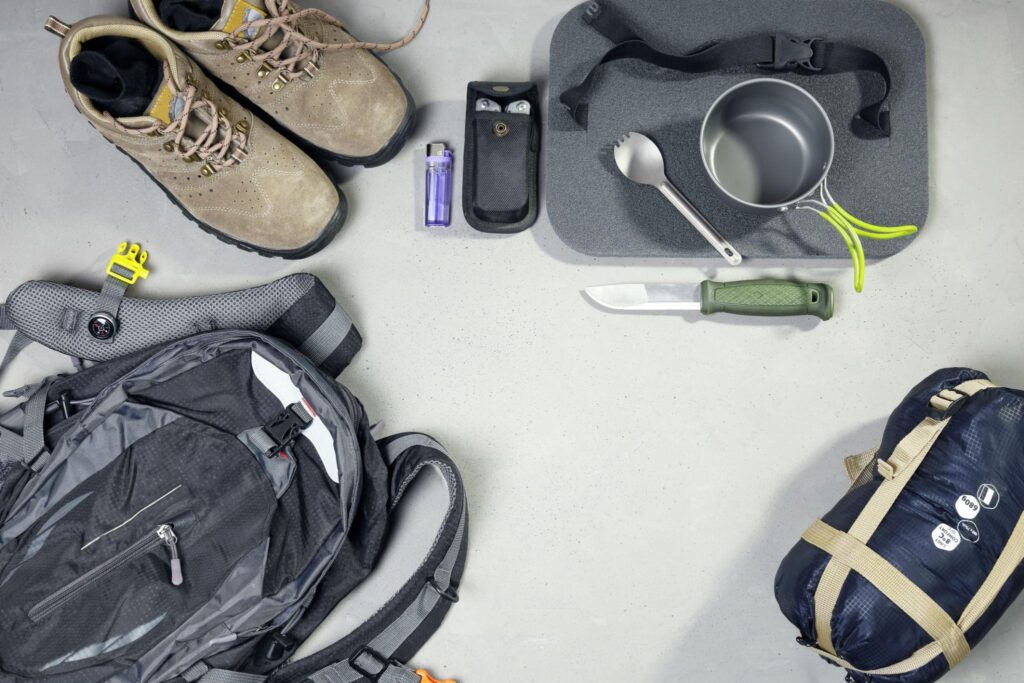
You can explore recommended camping packing kits for Scandinavia here.
Why Smart Packing Matters in Scandinavia
Scandinavia rewards smart packing more than heavy packing. You do not need to bring everything. You do need the right things.
The weather can shift quickly, even in summer. In Sweden, the Right of Public Access allows overnight camping in many natural areas, but you still need to stay away from houses, follow local restrictions, and check rules in nature reserves and national parks. Sweden’s Environmental Protection Agency says one or two nights is the normal rule of thumb, and local regulations may restrict camping or fires in certain areas. Swedish Environment protection agency
In Norway, the Right to Roam allows tent camping on uncultivated land, but you must stay at least 150 metres from the nearest inhabited house or cabin and you generally cannot stay more than two nights in the same place unless you are far from settlements. Visit norway
In Finland, temporary camping is allowed in some areas under Everyman’s rights, but rules vary by protected area. Metsähallitus notes that in some wilderness areas temporary camping is allowed throughout the area, while in many national parks it is only allowed in designated or maintained camping areas. Hammastunturi Wilderness Reserve
That is why your packing list needs to cover both comfort and compliance.
Know the Rules Before You Pack
Before building your Scandinavia camping packing list, understand the rules that affect what you bring.
Sweden camping rules
In Sweden, the Right of Public Access allows tent camping in many natural areas, but not too close to homes and not on cultivated land. One or two nights is the usual limit, and protected areas may have stricter rules. Off-road driving and overnight parking with motor vehicles are not covered by these rights.
Norway camping rules
In Norway, you can camp on uncultivated land if you stay at least 150 metres from houses and cabins. You can usually stay up to two nights in the same place, with more flexibility in remote mountain areas. Camping on cultivated or fenced land requires permission.
Finland camping rules
In Finland, temporary camping rules depend heavily on the specific area. Some wilderness reserves allow temporary camping more freely, while many national parks limit camping to designated spots or rest areas. Always check the local rules for the area you plan to visit. FMI
Fire rules matter in all three countries
Sweden’s MSB says no fires may be lit in the open during a fire ban, and its Brandrisk Ute app shows fire danger and local fire bans.
In Finland, the Finnish Meteorological Institute says that when a wildfire warning is in force, it is forbidden to start an open fire, including campfires and similar fires that may spread by ground heat or sparks.
Norway has its own local and seasonal restrictions, and Visit Norway advises campers to follow local campfire rules alongside the right to roam.
The Ultimate Camping Packing List for Scandinavia
1. Shelter and Sleep System
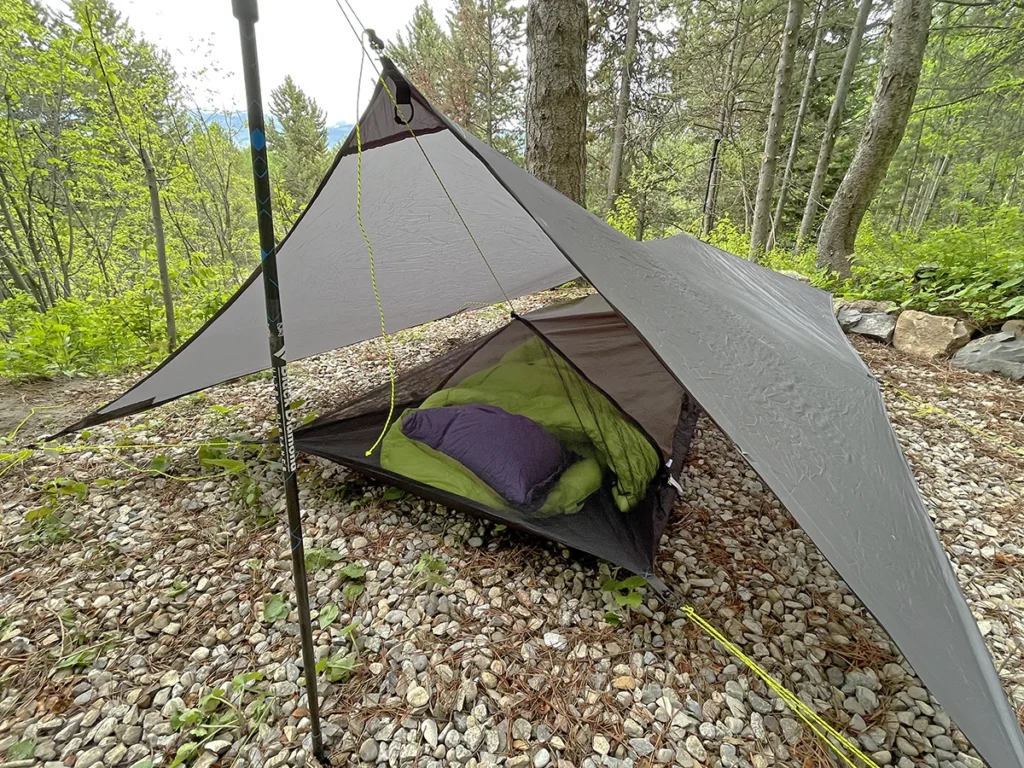
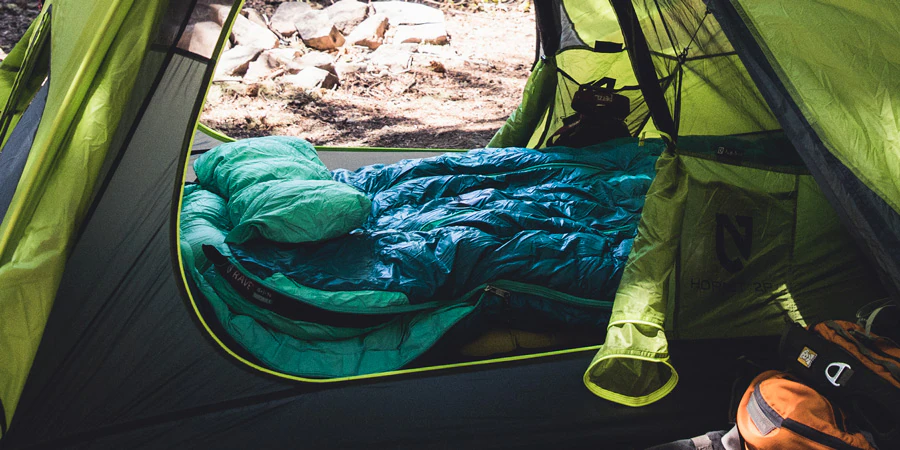
For camping in Scandinavia, your shelter and sleep system should be your top priority. A dependable tent, warm sleeping bag, and insulated sleeping pad will help you stay dry, warm, and comfortable in changing conditions.
A good sleep setup matters more in Scandinavia than many first-time campers expect.
Bring:
- a reliable 3-season tent for summer and shoulder-season trips
- a 4-season tent only for true winter camping
- a sleeping bag matched to real overnight temperatures
- a sleeping pad with enough insulation for cold ground
- a footprint or groundsheet
- a small repair kit for tent and pad
Even in summer, the ground can feel cold and damp. Nights in northern Sweden, Norway, and Finland can drop much lower than daytime temperatures suggest, especially inland or in the mountains.
2. Clothing for Layering
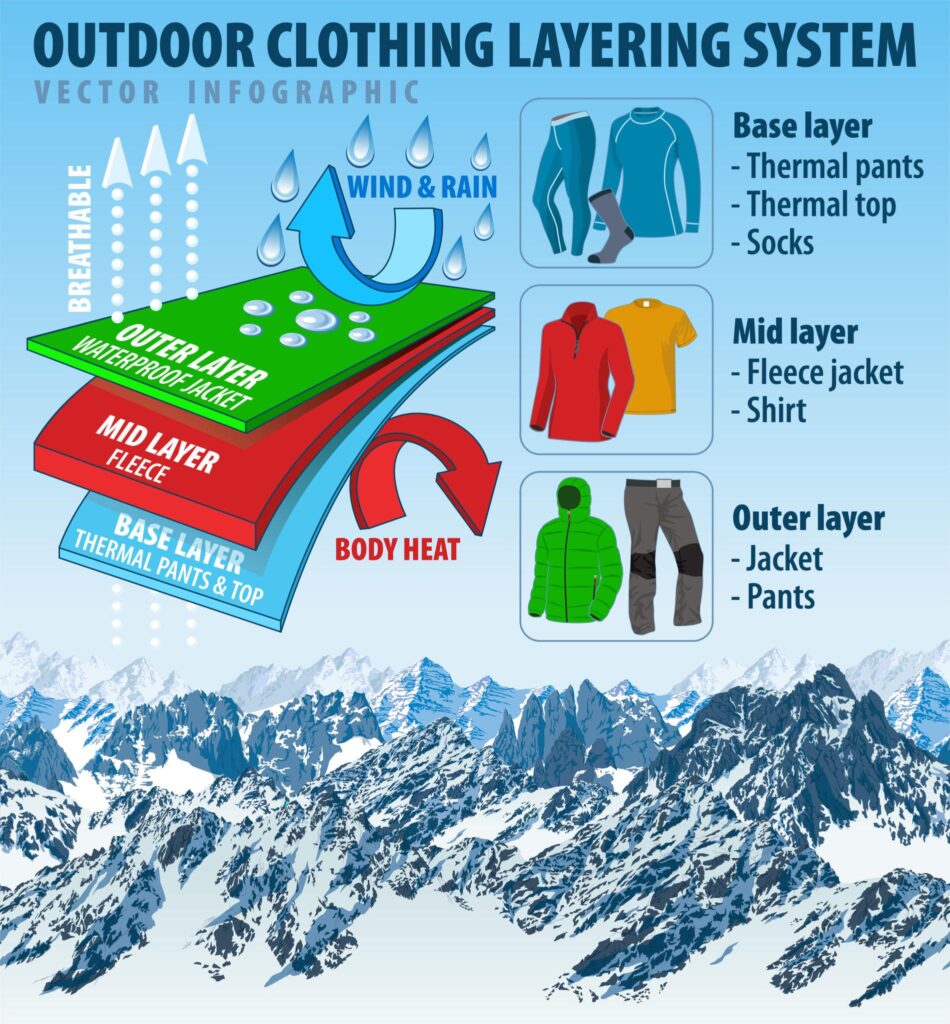
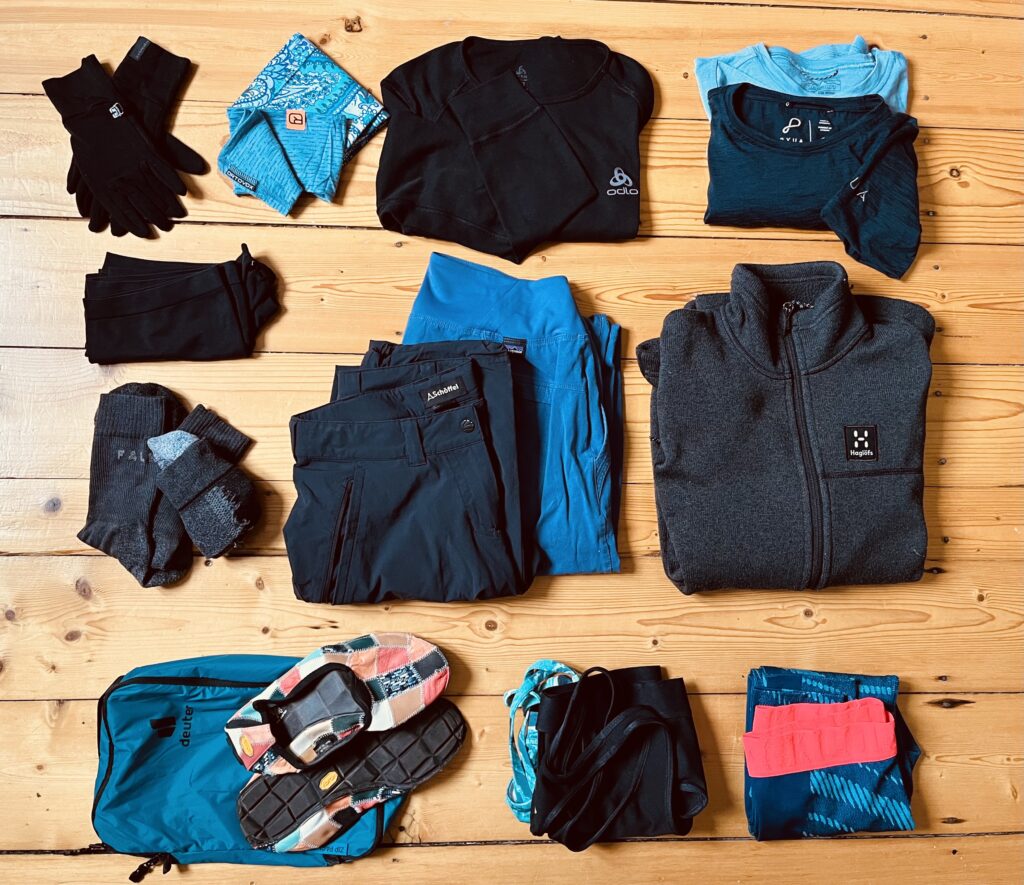
Clothing for layering is essential for camping in Scandinavia, especially when temperatures shift between day and night. If you are still building your outdoor kit, you can browse recommended base layers, fleece jackets, and waterproof shells here to find practical options for Nordic weather.
The best clothing system for Scandinavian camping is simple: layer everything.
Bring:
- a merino or synthetic base layer
- a fleece or light insulated mid-layer
- a waterproof shell jacket
- waterproof trousers
- a warmer insulated jacket for evenings
- wool socks
- a hat and light gloves
- sunglasses and a cap for sun and wind
This is where many people overpack. You do not need ten outfits. You need flexible layers that keep working if the weather changes.
3. Footwear That Handles Wet Ground
Scandinavia often means damp trails, boggy sections, rocky paths, and muddy campsites.
Bring:
- trail shoes or boots with grip
- camp shoes or sandals
- gaiters if you expect wet grass, mud, or snow patches
- extra socks
Dry feet make a huge difference on longer camping trips.
For more outdoor gear and camping essentials, you can browse recommended equipment here to prepare for your next adventure.
4. Cooking and Food Kit
For most campers in Scandinavia, the cooking setup should stay simple.
Bring:
- a camping stove
- fuel purchased locally if flying
- a lighter and waterproof backup matches
- one pot and one mug
- a spoon or spork
- biodegradable soap
- trash bags
- dry food that is easy to cook in bad weather
This is also the best place to add a practical travel tip in your blog post: if readers are planning a road trip or fly-in camping trip, fuel cannot be packed in checked or carry-on luggage, so it needs to be bought locally after arrival.
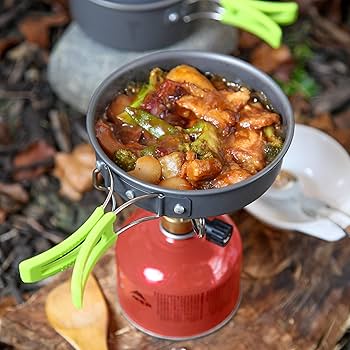
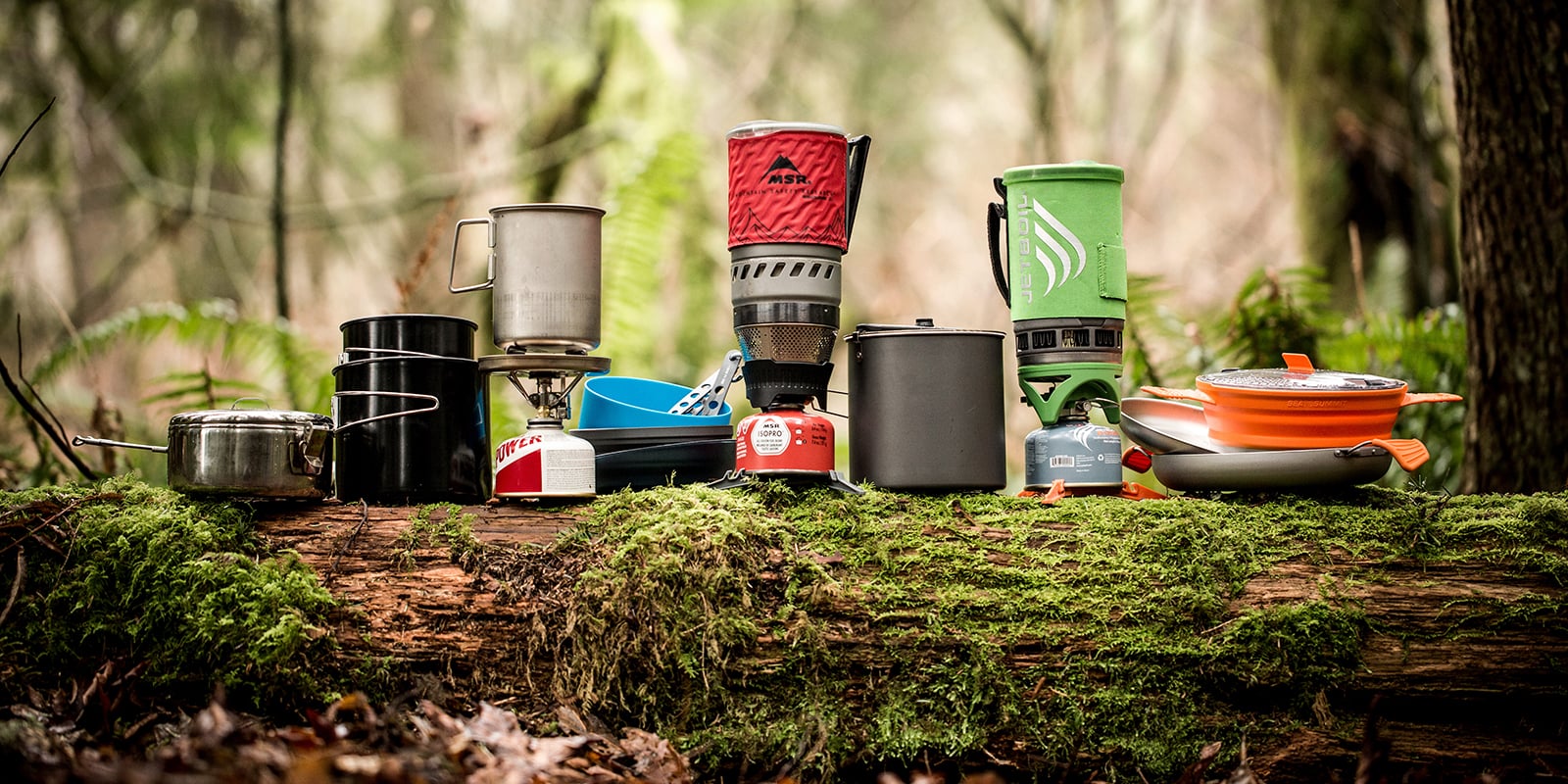
A simple cooking and food kit is all you need for most camping trips in Scandinavia. A compact stove, lightweight pot, mug, utensils, and easy-to-cook meals will keep your setup practical without adding too much weight. If you are still preparing your gear, you can browse recommended camping stoves and cooking essentials here for useful outdoor options.
5. Water and Water Treatment
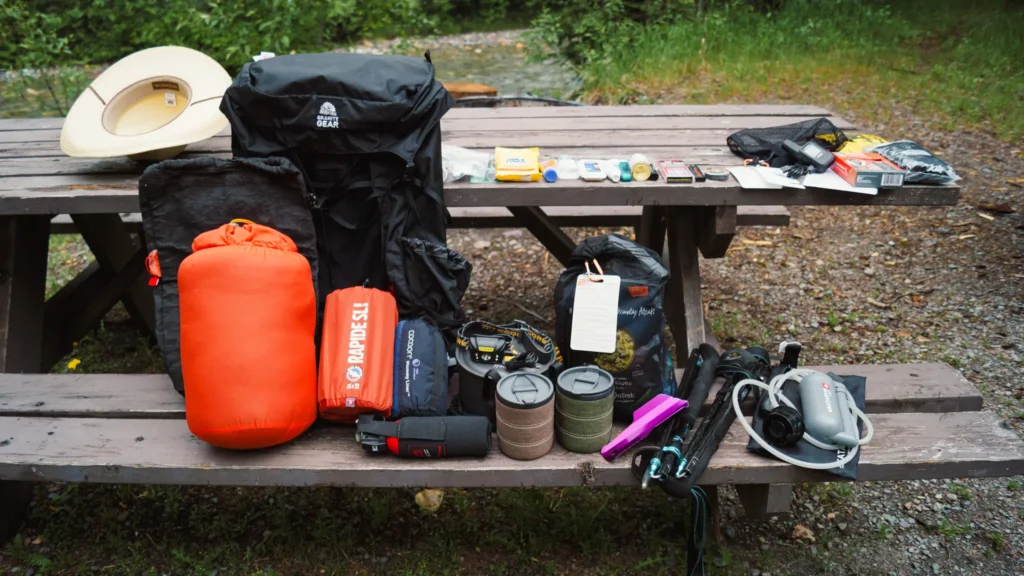
Scandinavian lakes and streams often look clean, but that does not always mean they are safe to drink untreated. The CDC recommends boiling water as the most reliable option, with filters and disinfection methods used correctly as alternatives.
Bring:
- at least one bottle or hydration bladder
- a water filter
- backup purification tablets or drops
- a small pot if boiling is part of your plan
6. Navigation and Safety Gear
Phones are useful, but they are not enough on their own. Sweden’s Environmental Protection Agency specifically recommends carrying a physical map and compass as backup in case your phone loses battery or signal.
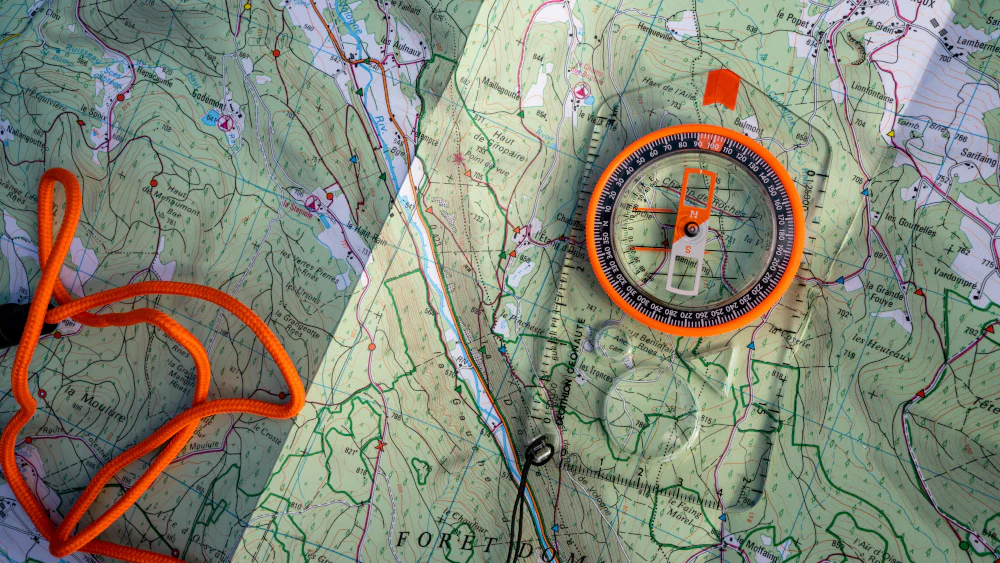
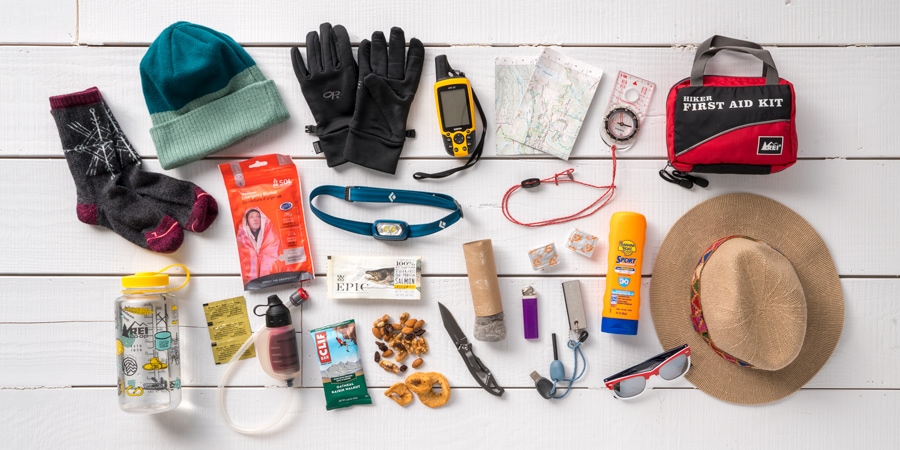
Your navigation and safety gear is just as important as your shelter and clothing when camping in Scandinavia. A paper map, compass, headlamp, first-aid kit, and power bank will help you stay prepared if the weather changes or you lose signal in a remote area. If you are still putting your gear together, you can browse recommended navigation tools and outdoor safety gear here for practical camping essentials.
Bring:
- a paper map
- compass
- headlamp
- power bank
- charging cables
- whistle
- first-aid kit
- blister care
- knife or multitool
- gear tape
For more remote routes, a satellite messenger is a smart extra.
7. Bug Protection
If you camp in Scandinavia in summer, especially in forest or lake areas, bug protection is not optional.
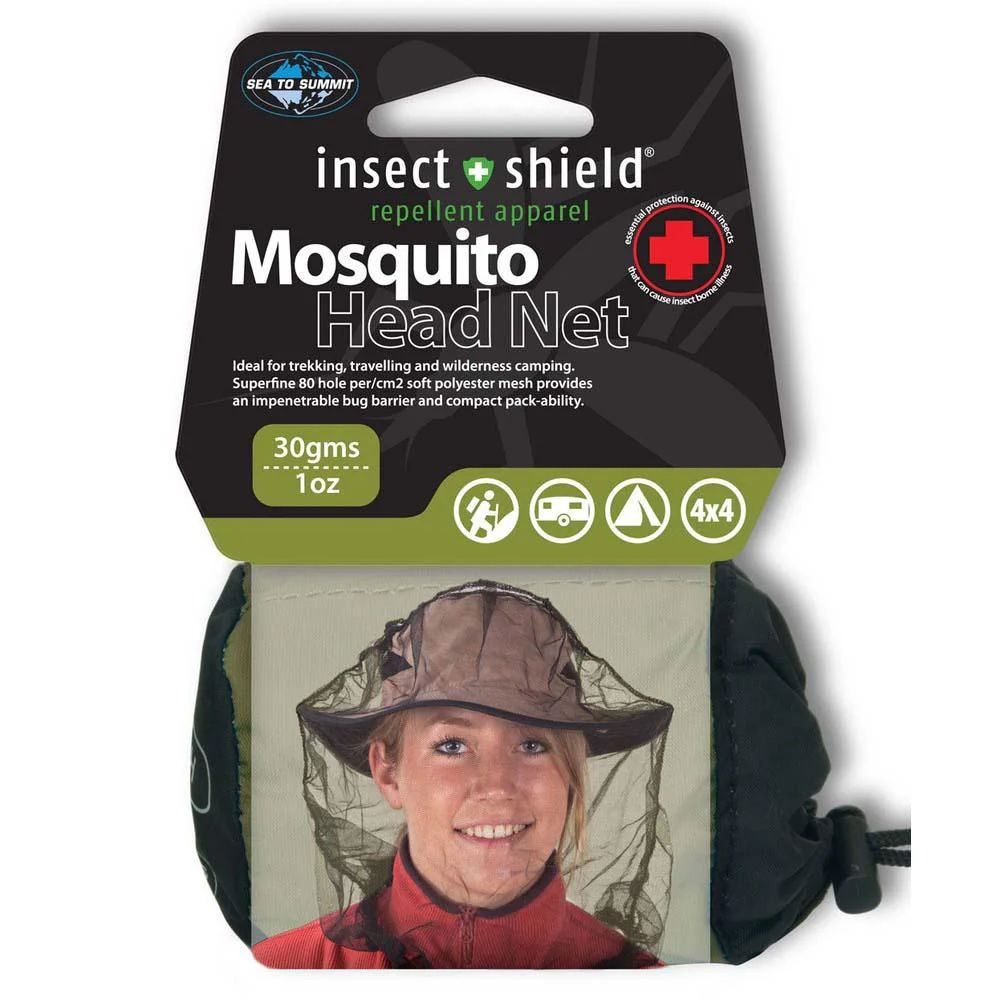
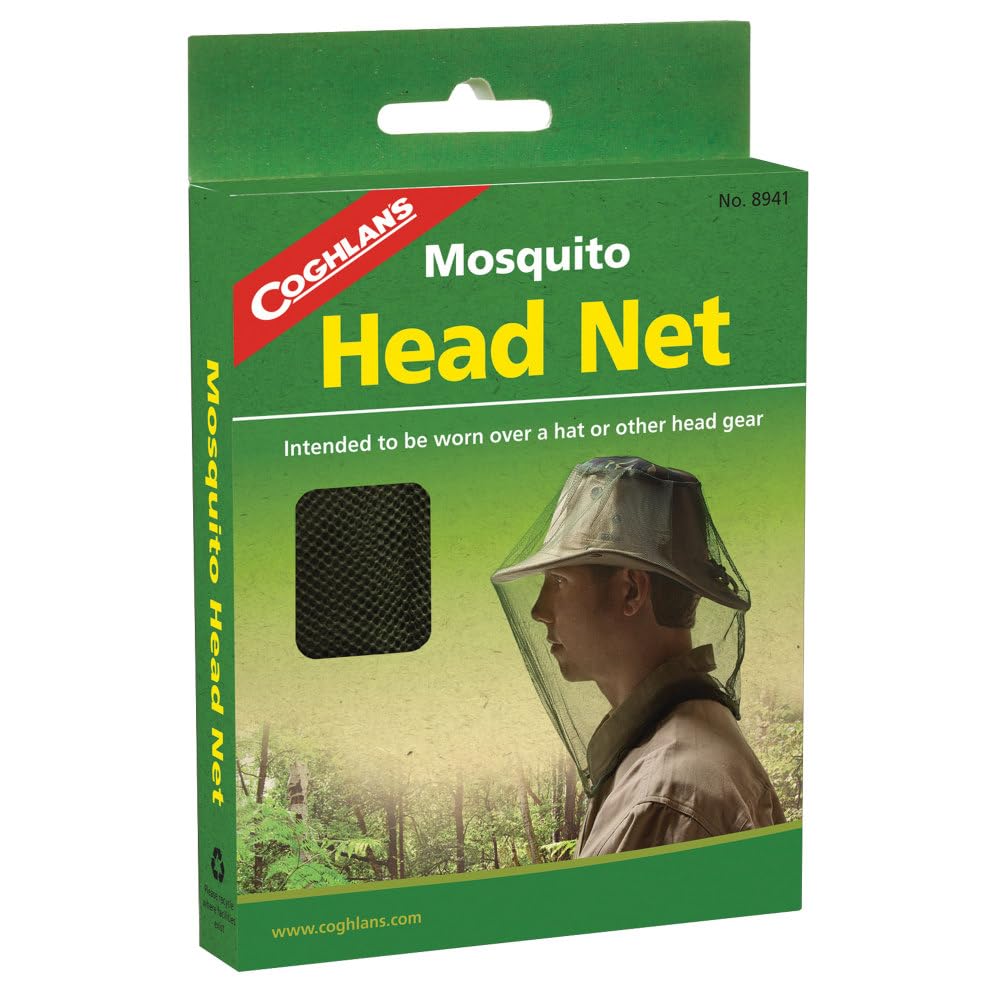
Bring:
- mosquito repellent
- mosquito head net
- long sleeves and lightweight long trousers
- after-bite treatment
- tick tweezers
Finnish Lapland and wooded lake areas can be especially buggy in peak summer, so this part of your camping packing list for Scandinavia matters a lot.
You can also browse recommended bug protection gear here to find useful items for camping in Scandinavia.
8. Paperwork, Emergency Info, and Useful Apps
Before leaving, save the emergency numbers and weather tools you may need.
In Finland, the emergency number is 112, and the same 112 number works across EU countries.
In Norway, emergency numbers are 110 for fire, 112 for police, and 113 for medical emergencies.
Useful weather and warning tools include:
- SMHI for Sweden
- Yr for Norway
- FMI for Finland
- Brandrisk Ute for Swedish fire danger and bans
Sweden’s MSB says Brandrisk Ute shows both current fire danger and fire bans, while Finland’s FMI publishes wildfire warnings and weather alerts
Seasonal Camping Packing Tips for Scandinavia
Summer Camping in Scandinavia
Summer is the easiest season for most campers, but it still needs smart packing.
Add:
- eye mask for bright northern nights
- lighter insulated jacket
- good insect protection
- extra sun protection
- quick-drying layers
Summer looks easy on paper, but even July can turn cold and wet.
Shoulder Season Camping
May, September, and October need warmer gear than many visitors expect.
Add:
- warmer sleeping bag
- better insulated sleeping pad
- thicker gloves and hat
- extra dry socks
- stronger rain protection
Shoulder season is beautiful, but nights can get cold quickly.
Paperwork & apps you’ll actually use
- Weather: SMHI (Sweden), Yr (Norway), FMI (Finland). Enable warnings. SMHI+2Apple+2
- Fire & emergencies: Brandrisk Ute (SE) and 112 app (SE).
Winter Camping in Scandinavia
Winter camping in Scandinavia is for experienced campers only.
Bring:
- 4-season shelter
- expedition-level sleep system
- insulated boots
- stove system that works in low temperatures
- extra gloves and emergency backup layers
If you are writing for a broad audience, this is a good place to clearly say that winter camping in Sweden, Norway, and Finland is best for people with prior cold-weather camping experience.
Country-by-Country Packing Notes
Sweden
For Sweden, focus on a flexible 3-season setup, rain protection, and fire awareness. Check protected-area rules before you go, and always look up local fire restrictions. Sweden’s official guidance says local regulations may prohibit camping or fires in certain places.
Norway
For Norway, bring gear that handles wind, wet ground, and fast weather changes. The distance rule from houses matters, so camp selection is part of your planning.
Finland
For Finland, focus on bugs, water protection, and checking local camping rules carefully, especially in national parks. One Finnish destination may allow temporary camping widely, while another may only allow it at marked sites.
Ready-to-Pack 3-Season Checklist
If you want the shortest version of this Scandinavia camping packing list, this is the one I would use for most trips from June to September:
- 3-season tent
- sleeping bag matched to cool nights
- insulated sleeping pad
- waterproof jacket and trousers
- base layers
- fleece or insulated mid-layer
- warm hat and socks
- trail shoes or boots
- stove and fuel bought locally
- water filter and backup treatment
- map and compass
- headlamp
- power bank
- first-aid kit
- mosquito repellent
- mosquito head net
- sun protection
- repair kit
- trash bags
- ID, card, and phone
Final Checks Before You Leave
Before any camping trip in Scandinavia, do these last checks:
- check the weather forecast
- check local camping rules
- check wildfire warnings or fire bans
- review your water plan
- save emergency numbers
- share your route with someone
Those small checks make a bigger difference than buying more gear.
Final Thoughts
The best camping packing list for Scandinavia is not the heaviest one. It is the one that keeps you warm, dry, legal, and comfortable in changing conditions.
If you pack for layers, wet ground, insects, and local rules, camping in Sweden, Norway, or Finland can be incredibly rewarding. You do not need a huge amount of gear. You just need the right gear for the Norton—I’ll tailor this list to a day-by-day kit for your exact route and weather window.
FAQ questions
Related Travel Guides for Your Scandinavia Camping Trip
Stockholm 3 Days Itinerary: The Perfect First-Time Travel Guide
Best Things to Do in Stockholm
Kungsträdgården Cherry Blossoms in Stockholm: Best Time to Visit
Best Cafés in Stockholm
Plan your trip today
✈️ Book Flights on Expedia.com
🛏️ Find Hotels in Scandinavian on Expedia or hotels.com
🎟️ Explore Activities on Tripadvisor and Klook
🚌 Rent a car, Shuttles & Bus Transfers on Klook
No responses yet