Scandinavia Travel Guide: Where to Go, When to Visit, and How to Plan Your Trip
Planning a first trip to the north can feel overwhelming, but this Scandinavia travel guide makes it much simpler. If you are deciding between Sweden, Norway, and Finland, or trying to fit all three into one trip, the good news is that each country offers a different version of the Scandinavian experience: cities, coastline, forests, islands, Arctic landscapes, and a strong outdoor culture. Sweden’s official tourism site highlights a mix of nature, city breaks, and round trips, Norway’s official guide focuses on fjords, northern lights, and regional travel, and Finland’s official guide introduces the country through four main regions from Helsinki to Lapland. Visit Sweden
What I like most about traveling in Scandinavia is that it feels easy once you understand the rhythm. Days are built around weather, transport is generally reliable, and the best trips usually combine one city with one slower nature-based stop. That works especially well here because the region offers both vibrant capitals and huge natural landscapes. Official tourism guides across Sweden, Norway, and Finland all emphasize that contrast between urban life and outdoor experiences.

If you are still planning your route, it helps to compare Scandinavia flights on Expedia and check hotel prices on Expedia or Hotels.com early, especially if you are traveling in summer or during the winter northern lights season.
Why visit Scandinavia?
Scandinavia appeals to travelers who want clean cities, beautiful scenery, and a trip that feels organized without feeling crowded. Norway is best known for its fjords, mountain scenery, and Arctic experiences, Sweden balances city culture with forests and archipelagos, and Finland stands out for lakes, saunas, Lapland, and seasonal nature. Those distinctions come directly through the official tourism boards: Visit Norway highlights fjords, northern lights, and remote villages; Visit Sweden focuses on nature, urban culture, and round trips; and Visit Finland presents Helsinki, Coast & Archipelago, Lakeland, and Lapland as its core regions.
For many first-time visitors, the real strength of a Scandinavian trip is variety. You can spend one day in a design-forward capital, the next on a ferry or scenic train, and the next hiking, sauna-hopping, or chasing long summer light.
What countries are included in Scandinavia?
For most travel planning, “Scandinavia” usually means Sweden, Norway, and Denmark, while many travelers also include Finland and sometimes Iceland in a broader Nordic itinerary. Since your blog content often groups Sweden, Norway, and Finland together for route planning, this guide focuses on those three countries as a practical travel cluster. Official tourism boards for Sweden, Norway, and Finland each position their country as part of a wider northern Europe travel experience, and Visit Sweden even has planning content on combining Sweden with other Nordic countries.
Best time to use this Scandinavia travel guide
The best time to visit depends on what kind of trip you want.
Summer in Scandinavia
Summer is the easiest season for most first-time visitors. Expect long daylight hours, active ferry routes, easier hiking conditions, and busy city life. Norway’s official tourism site highlights the midnight sun and nature attractions in summer, and Finland’s official guide emphasizes seasonal outdoor experiences across its regions.
Winter in Scandinavia
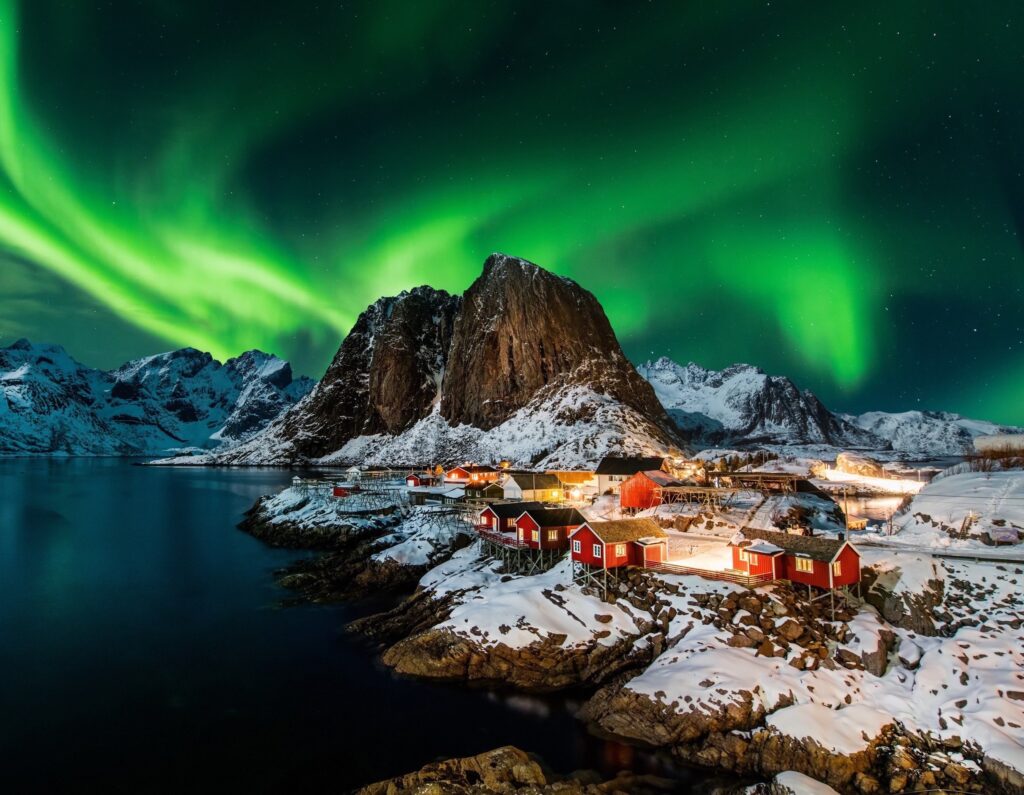
Winter is ideal if you want snow, northern lights, Christmas markets, and Arctic activities. Finland’s official guide strongly features northern lights, winter sports, and Lapland in winter, while Norway’s tourism content also centers winter around Arctic experiences and dramatic landscapes.
Shoulder season in Scandinavia
Spring and autumn can be quieter and often cheaper, but the weather is more changeable. This is a good option for city breaks, scenic rail journeys, and travelers who do not mind layering up.
How to choose between Sweden, Norway, and Finland
A good Scandinavia travel guide should help you choose based on travel style, not just famous sights.
Choose Sweden if you want balance
Sweden is a great first choice if you want a mix of cities, nature, design, and easy train travel. Visit Sweden highlights both urban weekends and nature-based round trips, which is exactly why the country works well for travelers who want variety without too much complexity.
Choose Norway if scenery is your priority
If your dream trip is built around fjords, mountain roads, waterfalls, and dramatic landscapes, Norway is the strongest fit. Visit Norway describes the country through fjords, northern lights, and regional exploration, and even recommends focusing on one or two regions to get the most from a trip.
Choose Finland if you want lakes, saunas, and Lapland
Finland works especially well for travelers who want a slower, more nature-oriented trip with strong seasonal identity. Visit Finland divides the country into Helsinki, Coast & Archipelago, Lakeland, and Lapland, which is a useful planning framework for first-time visitors
Best places to include in a Scandinavia travel guide
For a first trip, I would focus on a few strong stops rather than trying to see everything.
Stockholm
Stockholm is one of the easiest cities in the region to recommend because it combines history, waterfront views, islands, museums, and day-trip potential. Sweden’s official tourism site consistently presents city-and-nature combinations as one of the country’s strengths.
Western Norway
If you want classic fjord scenery, western Norway deserves space in your itinerary. Visit Norway’s nature guides emphasize fjords, glaciers, waterfalls, and peaceful national parks as the country’s signature landscapes.
Helsinki and southern Finland
Helsinki works well as an entry point because it gives you city culture, design, food, and access to the coast. Visit Finland positions the Helsinki region as one of its four main travel areas.
Lapland
If your trip is focused on northern lights, winter cabins, or summer midnight sun, Lapland is one of the strongest reasons to travel north. Finland’s official travel guide highlights Lapland as one of its major regions, and Norway’s tourism board also strongly features Arctic travel. Visit Finland
How many days do you need in Scandinavia?
A short trip can still work well, but you need to be realistic.
For 7 days, I would stay in one country and combine one city with one scenic region. For 10 to 14 days, you can combine two countries comfortably. For 2 to 3 weeks, a broader Sweden-Norway-Finland route starts to make sense, especially if you are not trying to move every day.
Norway’s official travel guide explicitly recommends focusing on one or two regions to get the most from a visit, and that advice applies to Scandinavia more broadly.
How to travel around Scandinavia
Scandinavia is well suited to a mix of trains, flights, ferries, and occasional car rental. Cities are easy to connect, but long north-south distances mean you should not underestimate travel time. The official tourism guides for Sweden, Norway, and Finland all provide region-based planning tools, which reflects how important route choice is in this part of Europe.
or most first-time visitors:
- trains work well for Sweden
- scenic regional travel is a major part of Norway
- Finland works well with trains plus regional flights for longer northbound trips
If you are booking your trip now, compare Scandinavia flights on Expedia and check accommodation rates on Expedia and Hotels.com before confirming your itinerary, especially if your travel dates are fixed.
Practical tips for first-time visitors
A few habits make a Scandinavian trip much smoother.
Pack for weather changes
Weather can shift quickly, especially in Norway and in northern regions. Visit Norway specifically warns that conditions can change very fast in the mountains and Arctic areas.
Do not overpack the itinerary
Distances can be bigger than they look on a map. A slower route usually works better than trying to fit in every famous stop.
Plan around nature and daylight
Summer gives you very long days in the north, while winter gives you fewer daylight hours but stronger snow and aurora potential.
Suggested first-time itinerary ideas
1 week in Scandinavia
Pick one country. A Stockholm-and-archipelago trip, a western Norway route, or Helsinki plus southern Finland all work well.
10 days in Scandinavia
Combine Stockholm with Norway, or Stockholm with Helsinki. This gives you one major city and one contrasting landscape.
2 weeks in Scandinavia
This is where a broader route starts to feel rewarding. You can combine Sweden, Norway, and Finland, but keep the pace sensible.
No responses yet