Where to Stay in Singapore for Budget Travelers and Students
Finding where to stay in Singapore for budget travelers and students is not only about choosing the cheapest bed. The best area can save you money on food, transport, and time.
I lived and studied in Singapore for a few years. My advice is simple. Stay near an MRT station. Choose an area with cheap food nearby. Avoid paying extra for a skyline view you may barely use.
Singapore is easy to get around. Still, the wrong location can make your trip more expensive. In this guide, I’ll share the best budget areas, what to expect, and how to save money without making your stay stressful. Visit Singapore
This article may contain affiliate links. This means I may earn a small commission if you book hotels, flights, or activities through these links, at no extra cost to you.
I only recommend services and platforms that I personally use or would genuinely suggest to travelers. These small commissions help me keep this blog running and continue creating free travel guides, tips, and experiences to help you plan your trip.
Thank you for your support💙!
Plan Your Trip to Singapore
To make your planning easier, here are a few useful travel resources:
✈️ Compare flights to Singapore
🏨 Find the best hotels in Singapore
🎟️ Browse tours and activities in Singapore
Best Things to Do in Singapore 🇸🇬 | Hidden Gems, Food Tours & Iconic Attractions
Discover why Singapore is one of Asia’s most unforgettable destinations — from futuristic skyline views and rooftop experiences to famous street food, hidden gems, and world-class attractions.
Why your area matters on a budget in Singapore
Singapore is efficient, but location still matters. In fact, a cheap room far from the places you want to visit is not always a good deal.
For example, you may spend more on transport. As a result, you may waste time getting around. You may also have fewer low-cost food options nearby.
That is why I always tell students and budget travelers to choose the area first. Then, compare the price.
Ideally, the best budget areas give you three things at once:
- easy MRT access
- affordable food
- hostel or simple hotel options
Because of that, most travelers should look at Chinatown, Little India, and Bugis or Lavender first. By comparison, Marina Bay and Sentosa are usually much less budget-friendly.
Best budget areas to stay in Singapore
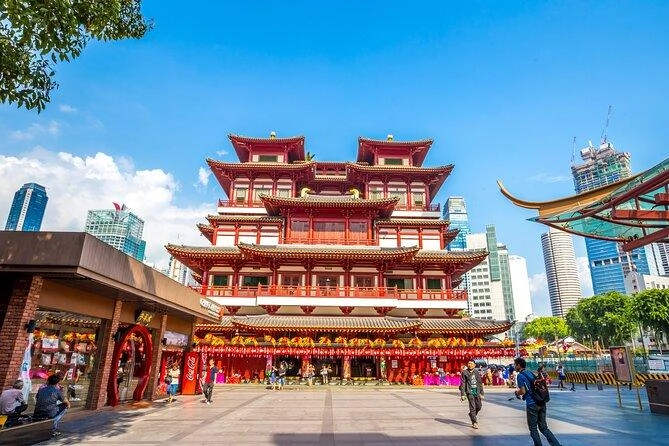
Chinatown
Chinatown
For most travelers, Chinatown is the best area to stay in Singapore on a budget.
It is central, lively, and easy to get around. At the same time, you get MRT access, hawker food, and plenty of character. So, it feels convenient without being too polished or too expensive.
This area works especially well for first-time visitors. For instance, you can walk to temples, food spots, and historic streets. In addition, it is easy to connect to other parts of the city.
For students, Chinatown makes a lot of sense. You stay central, eat cheaply, and avoid spending too much on taxis or long commutes.
Best for: first-time visitors, food lovers, central location, balanced budget stays
🏨 Check hostel and hotel prices in Chinatown
Little India and Farrer Park
If price matters most, look at Little India and Farrer Park.
This part of Singapore often has better-value stays. In addition, it offers lots of affordable food and strong local energy. The neighborhood feels busy, colorful, and full of life.
Personally, I often recommend this area to students and backpackers. That is because it is practical, central enough, and usually better for tighter budgets.
Not everyone will love the pace here. For example, some travelers may prefer a calmer area. Still, for value and food, Little India is one of the strongest choices.
Best for: backpackers, students, cheap eats, lower-cost stays
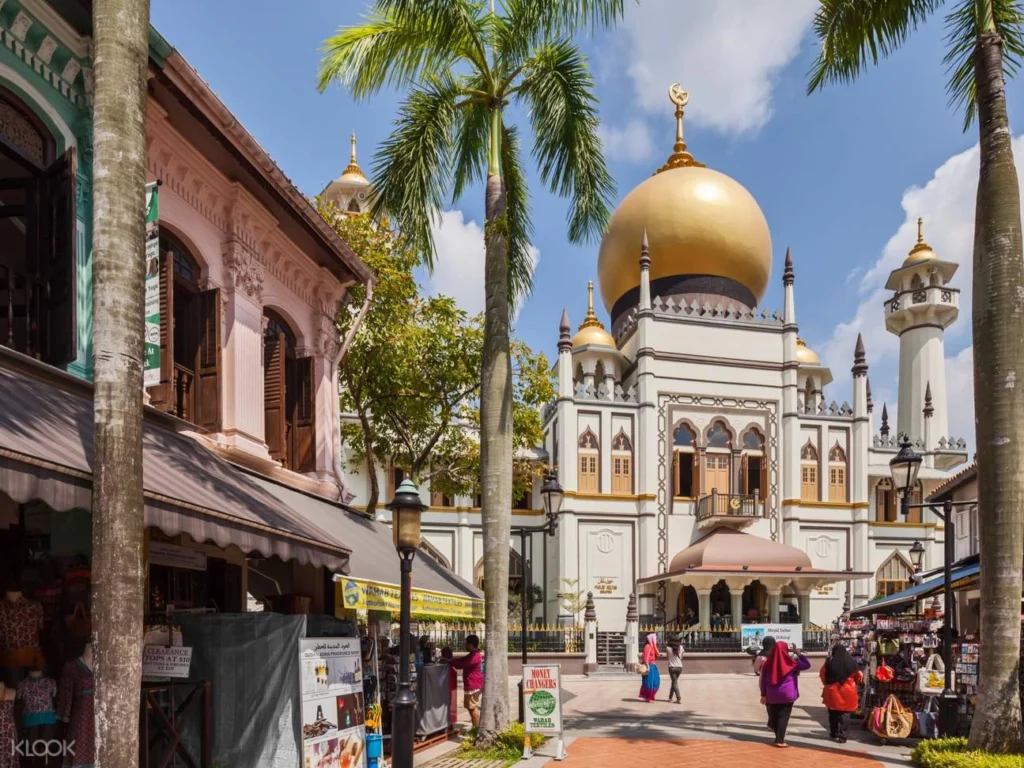
Bugis, Kampong Gelam, and Lavender
For many people, this is one of the smartest areas for a student-style trip.
It may not always be the cheapest. However, it often gives you the best balance. You get good transport, affordable food, cafés, and a central location.
Kampong Gelam adds charm and character. Meanwhile, Bugis adds shopping and convenience. Lavender, on the other hand, is often practical for budget stays and transport.
If I were doing a budget trip in Singapore again, this is one of the areas I would check first. Not only does it feel central without being too expensive, but it also gives you more atmosphere than a standard hotel zone.
Best for: students, café lovers, balanced budgets, easy transport
Katong and Joo Chiat
For longer stays, Katong and Joo Chiat are worth considering.
This area feels more local and residential. It is also known for colorful streets, cafés, and great food. So, it is a nice choice if you want a slower pace.
That said, I would not make it my first pick for a short first visit. After all, it is less central than Chinatown or Bugis. For longer stays, though, it can feel more comfortable and less touristy.
Best for: longer stays, local atmosphere, slower travel
Areas I would skip on a tight budget
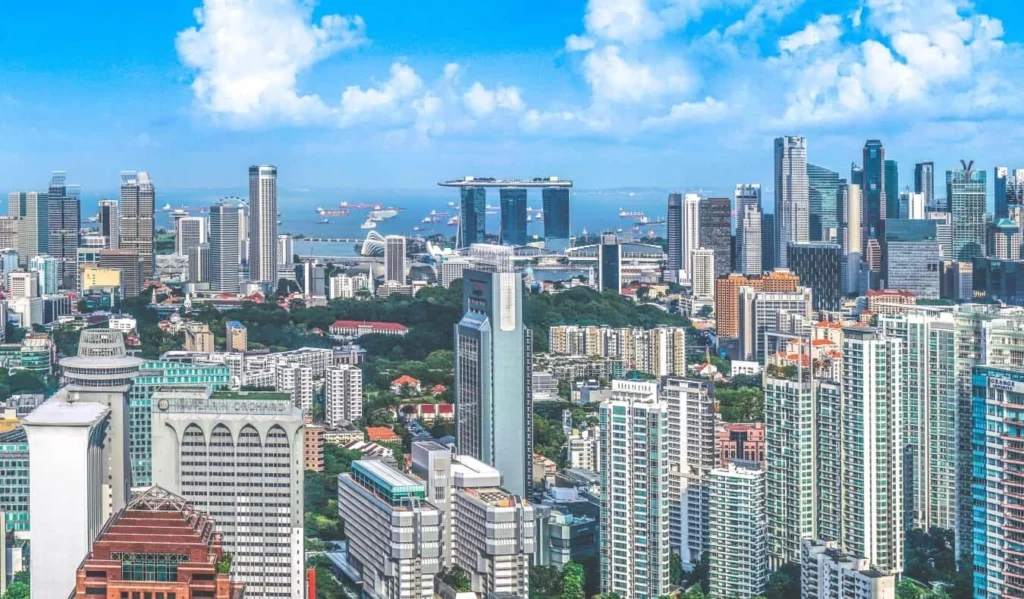
If you are on a student or backpacker budget, I would usually skip Marina Bay and Sentosa.
Marina Bay is beautiful. However, it is one of the most expensive areas in Singapore. Sentosa, meanwhile, is better for resort stays, beaches, and family trips.
Orchard can work if you find a very good deal. Even so, I would not call it the smartest default option for a tight budget.
When money matters, focus on function first. In other words, choose food, transport, and location over luxury.
How much budget stays cost in Singapore
Singapore is not the cheapest city in Asia. So, it helps to go in with realistic expectations.
Budget travelers usually look at hostels, capsule hotels, and simple private rooms. In general, these offer better value than standard hotels in expensive districts.
Most of the best-value stays are usually in:
- Chinatown
- Little India
- Bugis
- Kampong Gelam
- Lavender
Private hotel rooms will cost more. Likewise, prices usually rise during weekends, holidays, and busy travel seasons.
My advice is simple. First, set a budget range before you search. Then, compare location, transport access, and food options. Sometimes, a slightly higher room rate is still the better deal because the area saves you money elsewhere.
Transport and money-saving tips
Public transport is one of the reasons Singapore works so well for students and budget travelers. LTA says adult fares can be paid with contactless bank cards, mobile wallets, and stored-value cards, and current adult card fares start from S$1.28. LTA also notes that concession cards exist for certain groups, including students, but short-term visitors should generally budget around adult fares unless they are actually eligible for a local concession product.
The Singapore Tourist Pass can be worth comparing if you plan to move around heavily for a few days. Its official site currently lists 1-day, 2-day, 3-day, 4-day, and 5-day passes at S$17, S$24, S$29, S$37, and S$45, and it covers unlimited rides on basic buses, MRT, and LRT during the valid period. For slower travel days, regular tap-in adult fares may be cheaper.
My local-style money-saving tips are these: stay near an MRT station, eat often at hawker centres, do not overpay for a “famous view,” and keep your stay central enough that you can walk part of the city. Singapore is clean, easy, and efficient, but it rewards smart location choices more than bargain hunting on room price alone. Official travel guidance also notes that credit cards are widely accepted and English is widely used, which makes everyday budgeting and moving around simpler than in many other big cities. Visit Singapore
🏨 Compare budget hotels and hostels here
📱 Get a Singapore eSIM before arrival
Final thoughts on where to stay in Singapore on a budget
If you want the short version, this is how I would rank the best areas. Chinatown is the best overall choice. Little India is the best for tighter budgets. Bugis-Kampong Gelam-Lavender is the best balance for students. Katong-Joo Chiat is better for longer, slower stays. Singapore’s official neighborhood guides and current hostel listings support that general pattern, even though the right choice still depends on your trip style.
So if I were writing this as someone who lived there, my honest advice would be this: do not chase the flashiest district. For a student or budget trip, stay central, stay near the MRT, and choose a neighborhood with affordable food around you. That decision will save you more than any hotel upgrade ever will.
Plan Your Trip to Singapore
To make your planning easier, here are a few useful travel resources:
✈️ Compare flights to Singapore
🏨 Find the best hotels in Singapore
🎟️ Browse tours and activities in Singapore
FAQ
Related articles you might be interested in
Planning more of your Singapore trip? These guides may help:
- Singapore Guide for First-Time Visitors
- Where to Stay in Singapore for First-Time Visitors
- How to Use the MRT in Singapore
- Singapore 3 Day Itinerary
No responses yet