Bergen Travel Guide for First-Time Visitors: What to See, Eat and Know
This Bergen travel guide for first-time visitors will help you plan a smooth and memorable trip to western Norway. Bergen sits between mountains, islands, and fjords, making it an excellent base for exploring both the city and Norway’s dramatic west coast.
The city is known for the colourful wooden buildings of Bryggen, fresh seafood, mountain viewpoints, lively cultural attractions, and easy access to the fjords. Although Bergen is compact, there is enough to fill several days.
This guide explains how to reach Bergen by plane, car, ferry, train, and bus. It also covers the best attractions, local food, accommodation areas, transport, weather, costs, and common first-time mistakes.
Affiliate disclosure: This article may contain affiliate links. I may earn a small commission if you book through one of these links, at no extra cost to you. These links help support Ann’s Travel Hub and allow me to continue creating free travel guides.
Plan Your Trip to Bergen
✈️ Flights: Compare flights to Bergen
🏨 Hotels: Browse hotels in central Bergen
🎟️ Activities: Explore Bergen tours and fjord cruises
🚗 Car rental: Compare car rental prices
📱 eSIM: Check Norway eSIM options
🛡️ Insurance: Compare travel insurance plans
Why Visit Bergen, Norway?
Bergen offers a rare mix of city culture and outdoor adventure. You can walk through a medieval trading district in the morning, ride a funicular up a mountain after lunch, and cruise into a fjord before dinner.
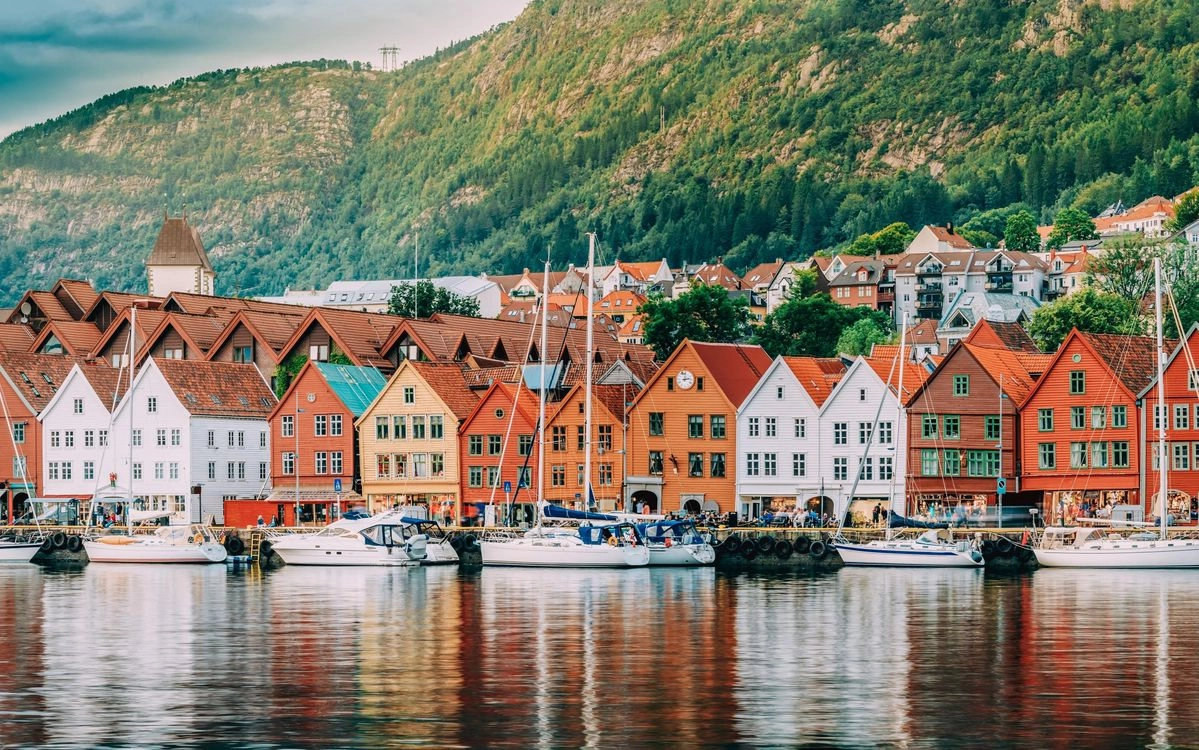
Bryggen is Bergen’s best-known landmark. Its historic wooden wharf reflects the city’s importance within the Hanseatic trading network. The area is now home to workshops, galleries, cafés, museums, and small shops.
Bergen is also promoted as a gateway to the Norwegian fjords. Day trips reach landscapes around the Hardangerfjord, Sognefjord, and narrower fjord arms such as Mostraumen. Tours range from short cruises to full-day journeys.
The city suits:
- Couples planning a scenic break
- Solo travellers who prefer walkable cities
- Families interested in nature and museums
- Cruise visitors with limited time
- Travellers beginning a longer Norwegian journey
- Photographers looking for colourful streets and mountain views
How to Get to Bergen
Flying to Bergen
Most international visitors arrive at Bergen Airport Flesland, around 16 kilometres from central Bergen. The airport receives domestic services and direct international flights, although routes change by season.
When comparing flights, also check routes through Oslo, Copenhagen, Stockholm, Amsterdam, or another northern European hub. Visitbergen
👉 Compare flight prices to Bergen
Bergen Airport to the city centre
You have three main options.
Bergen Light Rail
Line 1 of the Bergen Light Rail, known as Bybanen, connects the airport with central Bergen. The ride takes about 45 minutes and is usually the cheapest straightforward option. Tickets can be purchased through Skyss or from a platform machine.
This option works well when:
- Your hotel is near a light-rail stop
- You are travelling with manageable luggage
- You want to keep costs down
- You arrive during normal operating hours
Airport Express Bus
The airport bus reaches Bergen Bus Station in roughly 20 to 30 minutes, depending on traffic and the service used. It also serves several central stops, including locations near hotels and Bryggen.
It is often more convenient than the light rail when you have heavy luggage or accommodation near one of its stops.
Taxi
A taxi normally takes around 18 minutes in light traffic. The journey can take longer during busy periods. Official booking kiosks are available at the airport.
Taxis are convenient for families and small groups. However, they are considerably more expensive than public transport.
Travelling to Bergen by Train
The train journey between Oslo and Bergen is one of Norway’s most scenic rail routes. It crosses mountain plateaus, valleys, rivers, and high-altitude landscapes before descending toward the west coast.
The full trip usually takes most of the day. Therefore, reserve a window seat and treat the journey as part of your holiday.
Bergen Railway Station is within walking distance of the city centre. From there, you can reach many central hotels on foot or continue by bus, light rail, or taxi.
Booking tip: Reserve early for summer, holidays, and weekends. Flexible fares can disappear first.
Travelling to Bergen by Car
Driving gives you the greatest freedom, especially when Bergen is part of a longer road trip through western Norway.
However, Norwegian driving often takes longer than the distance suggests. Mountain roads, tunnels, ferries, speed limits, weather, and photo stops can all add time.
Driving from Oslo
The Oslo-to-Bergen journey generally takes an entire day without long sightseeing stops. Different routes cross different mountain areas, so road conditions and seasonal closures matter.
Before departure:
- Check current road and weather conditions
- Allow extra time
- Keep the fuel or battery level comfortable
- Download offline maps
- Confirm whether your rental car includes toll administration
- Carry warm clothes and water
Winter driving requires suitable tyres and confidence in snow, ice, darkness, and mountain conditions. A train or flight may be easier for visitors without winter-driving experience.
Driving from Stavanger
The journey from Stavanger involves coastal roads, tunnels, and ferry connections. It can be a beautiful route, but departure times and road conditions should be checked before leaving.
Parking in Bergen
A car is not very useful while exploring central Bergen. Streets can be narrow, parking is expensive, and many major sights are within walking distance.
The easiest approach is to:
- Choose a hotel with parking.
- Leave the car outside the historic centre.
- Explore central Bergen on foot.
- Use the vehicle for day trips.
The Bergen Card can include a discount at selected central parking facilities, although inclusions can change. Check the current terms before buying.
Travelling to Bergen by Ferry
Arriving by sea is a memorable way to approach western Norway.
Fjord Line operates a route linking Hirtshals in Denmark with Stavanger and Bergen. The full Hirtshals-to-Bergen crossing takes roughly 17.5 hours on the published route, though timetables vary.
Fjord Line also operates a domestic Bergen–Stavanger journey. The published crossing time is about 6.5 hours, and the route operates throughout the year. Fjordline
A ferry may suit you when:
- You are bringing a car from continental Europe
- You prefer slow travel
- You want an overnight travel experience
- Bergen forms part of a coastal itinerary
Always confirm sailing dates before building your itinerary. Weather and seasonal schedules can affect departures.
Reaching Bergen by Express Boat
Passenger boats connect Bergen with several coastal communities and fjord destinations. Some departures operate from Strandkaiterminalen in central Bergen.
Seasonal services may also connect Bergen and Flåm through the Sognefjord region.
Express boats can function as both transport and sightseeing. However, book popular summer departures early.
Travelling to Bergen by Bus
Long-distance coaches connect Bergen with destinations including Stavanger and other parts of western Norway.
Bus travel can be cheaper than trains or flights. It is also useful when rail connections are unavailable. Nevertheless, winding roads and ferry crossings can make the journey long.
Use an official journey planner to check the whole route rather than relying on a single timetable.
How Many Days Do You Need in Bergen?
Two days allow you to see central Bergen, Bryggen, the harbour, and one mountain viewpoint.
Three days are better for first-time visitors. You can explore the city at a comfortable pace and include a fjord cruise.
Four or five days work well when you want museums, hiking, nearby villages, or a longer fjord excursion.
For most travellers, I recommend three full days.
Best Things to See in Bergen
1. Explore Bryggen
Bryggen is the historic heart of Bergen and the city’s most recognisable sight.
Do not stop after photographing the waterfront. Walk between the wooden buildings and explore the narrow passages behind the façades. You will find independent workshops, galleries, cafés, and small shops.
Early morning is the best time for quiet photographs. The harbour becomes much busier once tour groups and cruise visitors arrive.
Local tip: Wooden paths can become slippery after rain. Wear shoes with a firm grip.
2. Visit the Bryggen Museum
The Bryggen Museum explains the archaeology and history beneath the old wharf. It gives useful context to the trading district and Bergen’s development.
Visit the museum before or after exploring Bryggen. You will notice details that are easy to overlook without understanding the area’s past.
3. Ride the Fløibanen Funicular
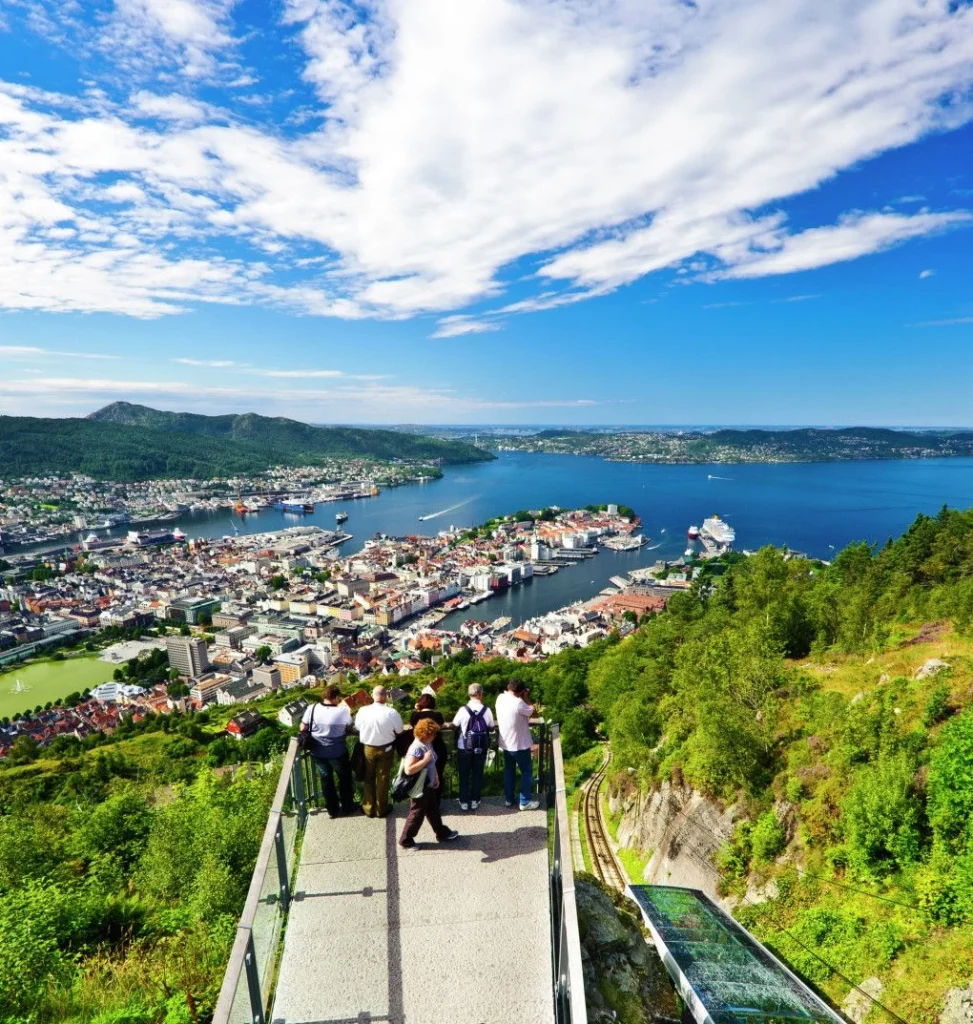
The Fløibanen funicular climbs from the city centre to Mount Fløyen. At the top, you will find wide views across Bergen, the harbour, islands, and surrounding hills.
The funicular is convenient for families and anyone with limited time. You can then walk along forest paths or return to the city on foot.
Queues may become long during summer afternoons. Go early, travel later in the evening, or book your ticket ahead.
👉 Check Bergen sightseeing tours and Fløyen experiences
4. Hike or Ride to Mount Ulriken
Mount Ulriken is the highest of Bergen’s surrounding mountains. A cable car provides easy access to the upper area, where the scenery feels wilder than at Fløyen.
On a clear day, the views stretch across the city, fjords, mountains, and islands.
Weather can change quickly at higher elevations. Bring an extra layer, even when central Bergen feels warm.
Experienced walkers may consider the longer route between Ulriken and Fløyen. However, conditions and fitness should be assessed carefully.
5. Walk Around Bergen Harbour
Vågen harbour forms one of the most attractive parts of the city centre.
Walk from Bryggen toward the Fish Market and continue along the waterfront. Boats, historic buildings, cafés, market stalls, and mountain views create a lively atmosphere.
This is also a good orientation walk on your first evening.
6. Visit Bergen’s Fish Market
The Fish Market is one of Bergen’s most famous visitor stops. You may find seafood dishes, fish soup, shellfish, smoked products, and local ingredients.
Prices around the market can be high. Check the menu before ordering and compare several places.
The market is worth seeing, but you do not need to eat there to experience Bergen’s seafood culture.
7. See Bergenhus Fortress
Bergenhus Fortress stands near the entrance to the harbour and Bryggen. The grounds offer a quieter break from the busiest streets.
Parts of the fortress reflect Bergen’s royal, military, and maritime history. Opening arrangements for individual buildings can vary, so check before visiting.
8. Discover Nordnes
Nordnes is a peaceful peninsula west of the central harbour. Its sloping streets, colourful wooden houses, small parks, and water views make it ideal for a relaxed walk.
The area receives fewer visitors than Bryggen. As a result, it provides a more residential view of Bergen.
9. Walk Through Marken and Skostredet
Marken is a pleasant pedestrian street near the railway station. It contains cafés, shops, and traditional wooden buildings.
Skostredet has a more creative atmosphere, with independent restaurants, bars, design shops, and colourful street details.
Together, these streets show that Bergen offers more than its famous harbour.
10. Take a Fjord Cruise
A fjord cruise is one of the most popular experiences from Bergen. Options range from shorter trips to full-day combinations involving trains, buses, and boats.
A shorter cruise may suit a weekend trip. Longer tours give you more dramatic scenery but require an early start.
Before booking, compare:
- Total duration
- Boat type
- Indoor seating
- Stops
- Included transport
- Cancellation rules
- Seasonal daylight
- Whether food is available
👉 Browse fjord cruises from Bergen
Museums and Indoor Attractions for Rainy Days
Rain is part of life in Bergen, so include several indoor options in your plan.
Good choices include:
- KODE art museums
- Bryggen Museum
- Hanseatic history exhibitions
- University Museum
- Bergen Maritime Museum
- VilVite Science Centre
- Troldhaugen, the former home of composer Edvard Grieg
- Bergen Aquarium
Opening hours may vary by season and weekday. Check the official attraction page on the day of your visit.
What to Eat in Bergen
Norwegian fish soup
Creamy fish soup is a comforting choice after a wet or cold day. Recipes vary, but many include white fish, salmon, vegetables, cream, and herbs.
Fresh seafood
Bergen’s coastal setting makes seafood a natural part of local menus.
Look for:
- Cod
- Halibut
- Salmon
- Shrimp
- Mussels
- Crab
- Stockfish
- Seasonal shellfish
Ask about the catch of the day. It may offer better value than a fixed tourist menu.
Skillingsboller
Skillingsboller are Bergen-style cinnamon buns. They make an easy snack with coffee while exploring the centre.
Several bakeries sell their own versions. Rather than choosing only the most famous bakery, try one near your route and enjoy it fresh.
Raspeballer
Raspeballer are traditional potato dumplings, often served with meat and root vegetables. The dish is filling and especially suitable during colder months.
Brunost
Brunost is Norway’s distinctive brown whey cheese. Its sweet, caramel-like taste is often enjoyed on bread, waffles, or crispbread.
Try a small portion first because the flavour surprises many visitors.
Norwegian waffles
Norwegian waffles are thinner and softer than Belgian waffles. Common toppings include jam, sour cream, or brown cheese.
Reindeer and lamb
Some restaurants serve reindeer or Norwegian lamb. These dishes are usually more expensive but may appeal to travellers seeking regional flavours.
Coffee culture
Bergen has a strong café culture. A warm café provides a welcome pause when the rain begins.
Independent coffee shops can be found around Vågsbunnen, Marken, Nordnes, and central shopping streets.
Where to Stay in Bergen for the First Time
Bergen city centre
The central area is the most practical choice for a short visit. You can walk to the railway station, harbour, restaurants, shops, and many attractions.
It suits travellers who value convenience over quiet surroundings.
Bryggen and the harbour
Staying near Bryggen places you close to Bergen’s most famous views. It is especially atmospheric in the morning and evening.
However, rooms may cost more, and the waterfront can become busy.
Nordnes
Nordnes offers a quieter residential atmosphere while remaining within walking distance of the centre.
It works well for couples and repeat visitors who enjoy neighbourhood cafés and local streets.
Near Bergen Railway Station
Accommodation around the station is convenient for train arrivals and early departures. It also provides easy access to buses and the light rail.
The immediate area is less picturesque than Bryggen, but the location is practical.
Solheimsviken and Danmarks plass
These areas lie outside the historic centre but have good light-rail connections. Hotels may offer better value than comparable central properties.
Before booking, check the distance from the nearest stop.
👉 Compare hotels in Bergen for your dates
How to Get Around Bergen
Central Bergen is highly walkable. Bryggen, the Fish Market, Fløibanen, Bergenhus, Marken, and many museums are close together.
Skyss operates Bergen’s buses and light rail. Tickets can be purchased through its apps, ticket machines, and other approved channels.
Buy or activate the correct ticket before boarding when required. Do not assume you can always pay the driver.
Luggage can generally be carried without an extra charge on Skyss buses, light rail, and selected boats, provided it is manageable.
Is the Bergen Card worth it?
The Bergen Card includes public transport on many Skyss services and provides free or discounted admission at participating attractions.
It may save money when you plan to visit several paid attractions in one or two days.
Before buying:
- List the attractions you will realistically visit.
- Check their current entry prices.
- Add your expected transport costs.
- Compare the total with the card price.
Do not buy it simply because it sounds convenient.
Best Time to Visit Bergen
Summer: June to August
Summer offers long daylight hours, more tours, and the widest choice of outdoor activities.
However, it is also the busiest and often most expensive period. Reserve hotels, trains, and fjord tours early.
Spring: April to May
Spring brings longer days, fewer crowds, and changing mountain scenery.
Some high-altitude trails may still have snow. Seasonal tours can also operate on limited schedules.
Autumn: September to October
Autumn colours make Bergen and the surrounding hills particularly attractive.
The weather becomes less predictable, and daylight decreases. Still, this can be a good time for travellers who prefer fewer crowds.
Winter: November to March
Winter offers a quieter atmosphere, seasonal events, and lower demand outside holidays.
Conditions may be wet, dark, or snowy. Visit Bergen notes that winter can shift between fairytale snow and heavy rain.
Pack warm, waterproof layers and build flexibility into your schedule.
Bergen Weather and What to Pack
Bergen is famous for rain. Even when the forecast looks good, showers may arrive quickly.
Bring:
- A waterproof jacket with a hood
- Comfortable water-resistant shoes
- Light layers
- A compact umbrella
- A small waterproof day bag
- Quick-drying trousers
- A warm layer for mountain trips
- A reusable water bottle
- Portable phone power
A hooded jacket is often more useful than an umbrella in windy conditions.
Avoid planning your entire day around a perfect forecast. Instead, alternate outdoor sights with museums and cafés.
Is Bergen Expensive?
Norway is an expensive destination for many international visitors. Accommodation, restaurant meals, alcohol, taxis, and guided tours can increase the budget quickly.
You can reduce costs by:
- Staying near public transport rather than the harbour
- Booking accommodation with breakfast
- Buying lunch from bakeries or supermarkets
- Carrying a reusable water bottle
- Walking through central Bergen
- Using the light rail from the airport
- Comparing tours before booking
- Choosing one major fjord excursion
- Travelling outside the busiest summer weeks
Norwegian tap water is generally excellent, so buying bottled water is often unnecessary.
Suggested Three-Day Bergen Itinerary
Day 1: Historic Bergen
Start at Bryggen before the busiest part of the day.
Explore the alleys behind the waterfront and visit the Bryggen Museum. Continue to Bergenhus Fortress, the harbour, and the Fish Market.
Later, walk through Vågsbunnen and Skostredet. Finish with the Fløibanen ride for an evening view.
Day 2: Fjord experience
Take a pre-booked fjord cruise or a longer combination tour.
Pack waterproof clothing, snacks, and an extra layer. Even summer boat decks can feel cold.
After returning, enjoy a relaxed seafood dinner in Bergen.
Day 3: Mountains and neighbourhoods
Ride the cable car to Mount Ulriken or spend more time walking around Mount Fløyen.
Afterwards, explore Nordnes, visit a museum, and stop for coffee and a skillingsbolle.
The official Bergen tourism itinerary also recommends using a three-day visit to combine city attractions with a fjord excursion.
Common First-Time Mistakes in Bergen
Trying to do too much in one day
Bergen looks small on a map. However, mountain rides, museums, queues, and changing weather take time.
Plan two or three main activities each day.
Packing unsuitable shoes
Cobblestones, wet wooden paths, slopes, and trails can become slippery. Wear comfortable shoes with good grip.
Depending completely on the forecast
Weather can change several times in one day. Carry rain protection even when the morning is clear.
Renting a car only for the city
Central Bergen is easier on foot and by public transport. Rent a car when it supports a wider road trip.
Booking a fjord cruise too late
Popular summer departures may sell out. Book once your dates are confirmed, but check cancellation terms first.
Eating every meal beside the Fish Market
The harbour is convenient, but restaurants in nearby streets may offer a quieter experience or better value.
Visiting only Bryggen
Bryggen deserves attention, but Bergen also has excellent mountain walks, museums, residential neighbourhoods, cafés, and waterfront areas.
Safety and Local Etiquette
Bergen is generally an easy city for visitors, but normal travel awareness still matters.
Keep valuables secure in crowded areas. Watch for bicycles and light-rail tracks. Follow signs on mountain paths, and do not continue onto exposed trails in poor weather.
Norwegians tend to value personal space, calm public behaviour, and punctuality. Queue politely and keep noise low on public transport.
Card payments are widely used. Nevertheless, confirm your bank’s foreign transaction terms before travelling.
Map of the Best Places in Bergen
Add a Google Maps embed below this heading and save these locations:
- Bryggen
- Bryggen Museum
- Bergenhus Fortress
- Fish Market
- Fløibanen lower station
- Mount Fløyen
- Mount Ulriken cable car
- KODE museums
- Nordnes
- Bergen Railway Station
- Bergen Bus Station
- Strandkaiterminalen
- Bergen Airport Flesland
A map can improve usability by helping readers understand distances and group nearby attractions. Your travel framework also recommends destination maps to increase engagement.
Final Thoughts on Visiting Bergen for the First Time
A first trip to Bergen combines historic streets, local food, mountain scenery, and easy access to the Norwegian fjords.
Three days give you enough time to explore Bryggen, enjoy a viewpoint, discover several neighbourhoods, and take a fjord cruise. Pack for rain, keep your schedule flexible, and avoid filling every hour.
Most importantly, explore beyond the famous waterfront. Bergen’s smaller streets, forest paths, bakeries, museums, and residential areas often create the most memorable moments.
Use this Bergen travel guide for first-time visitors to organise the essentials, then leave enough time for unplanned discoveries.
Plan Your Trip to Bergen
✈️ Flights: Compare flights to Bergen
🏨 Hotels: Browse hotels in central Bergen
🎟️ Activities: Explore Bergen tours and fjord cruises
🚗 Car rental: Compare car rental prices
📱 eSIM: Check Norway eSIM options
🛡️ Insurance: Compare travel insurance plans
No responses yet